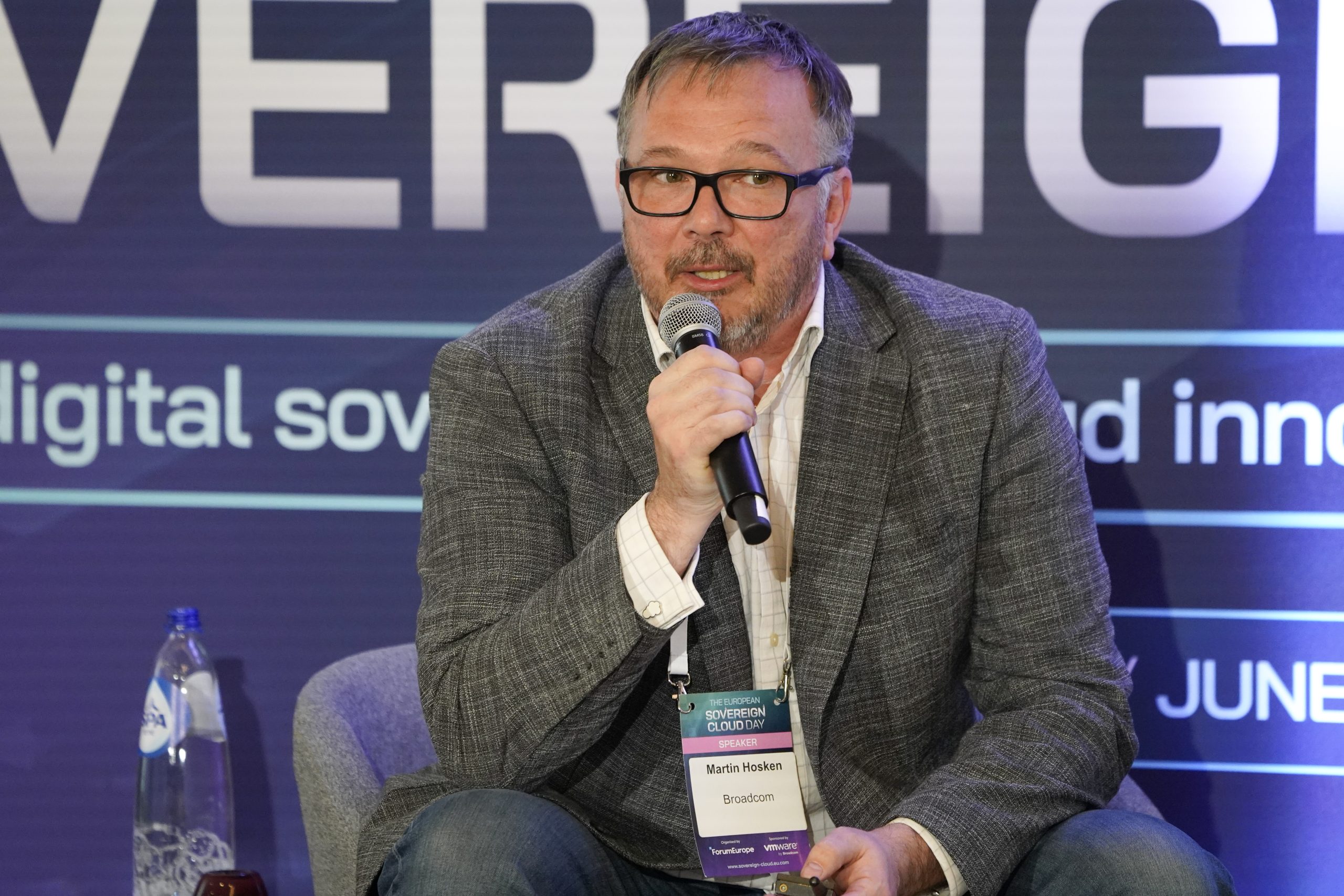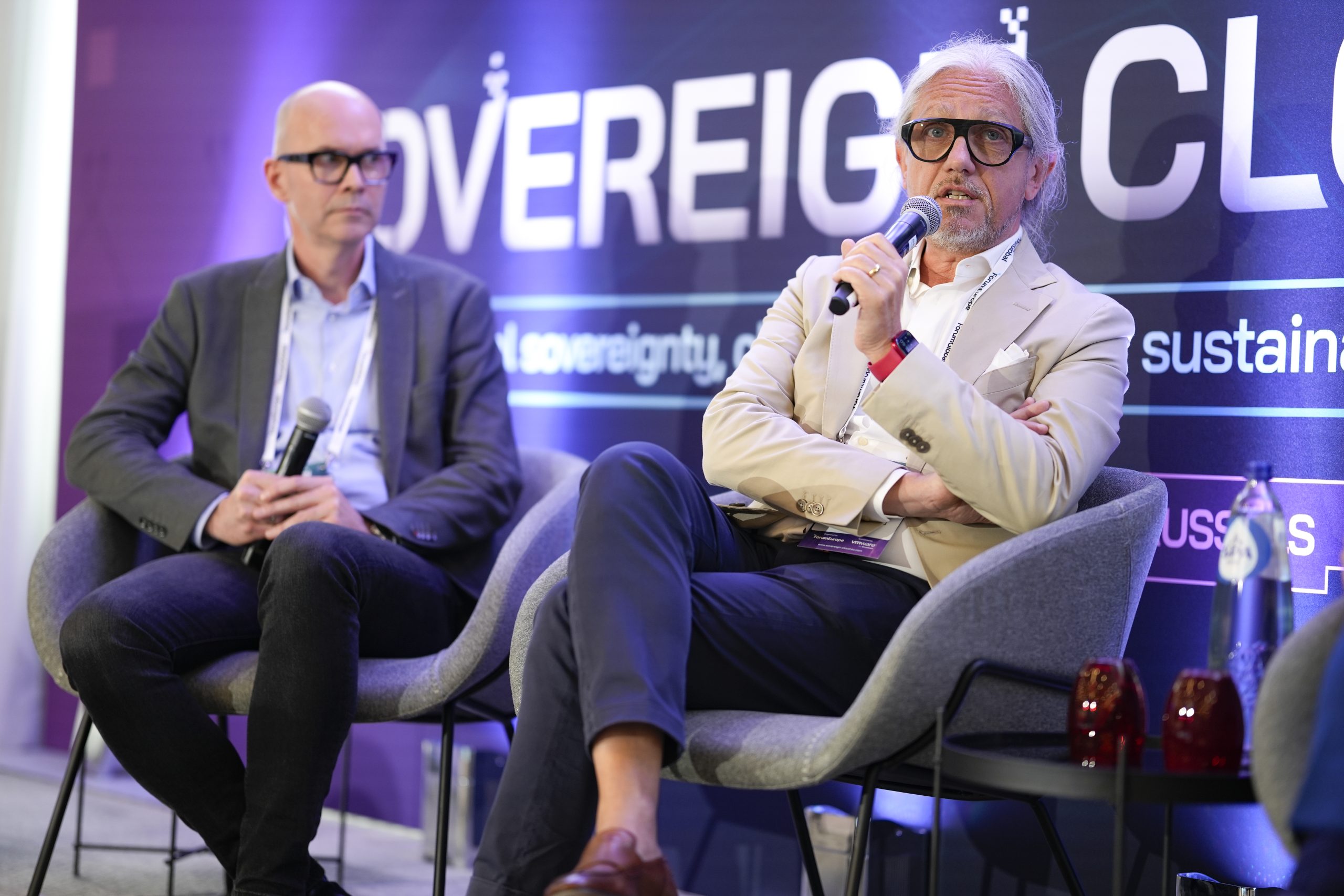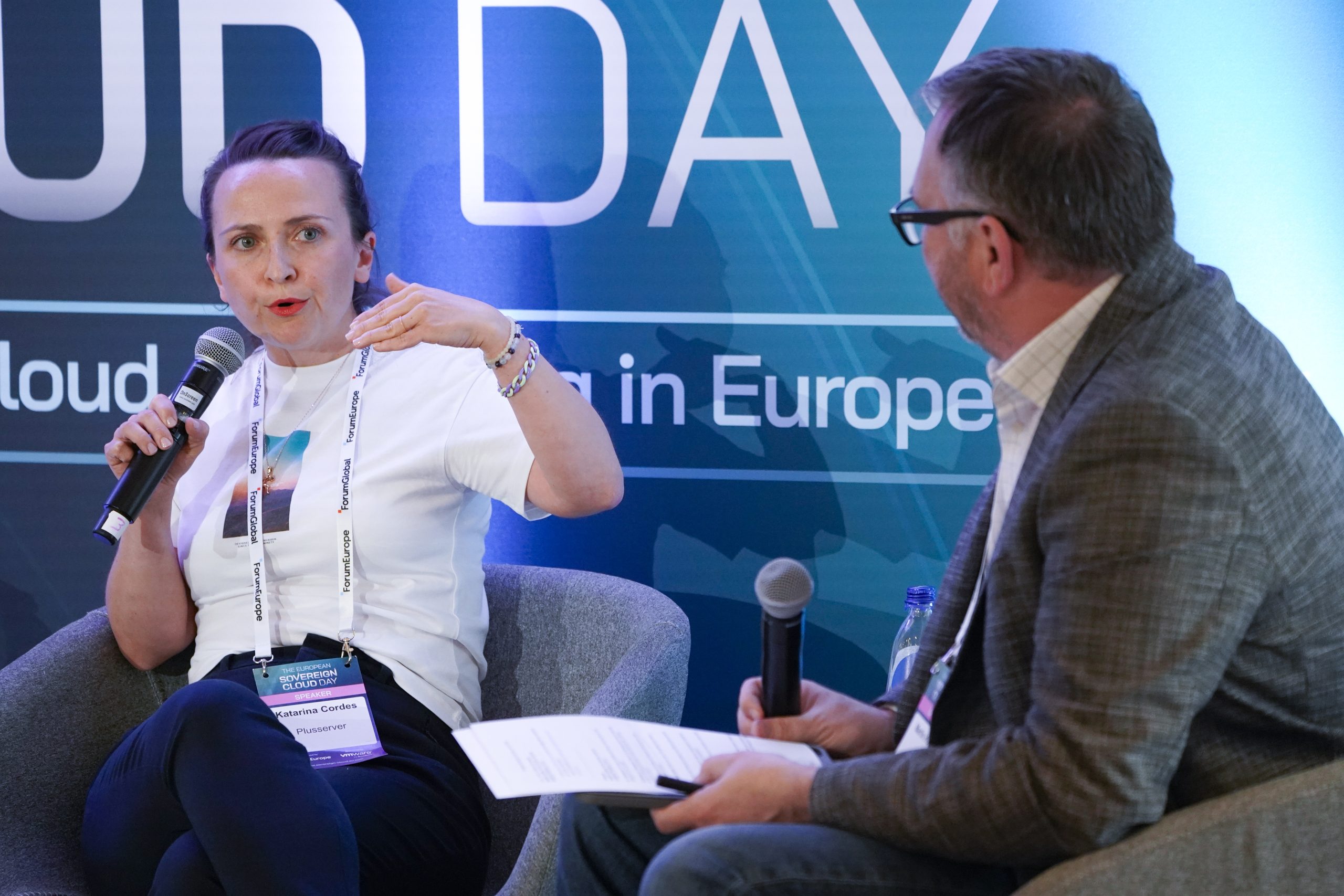
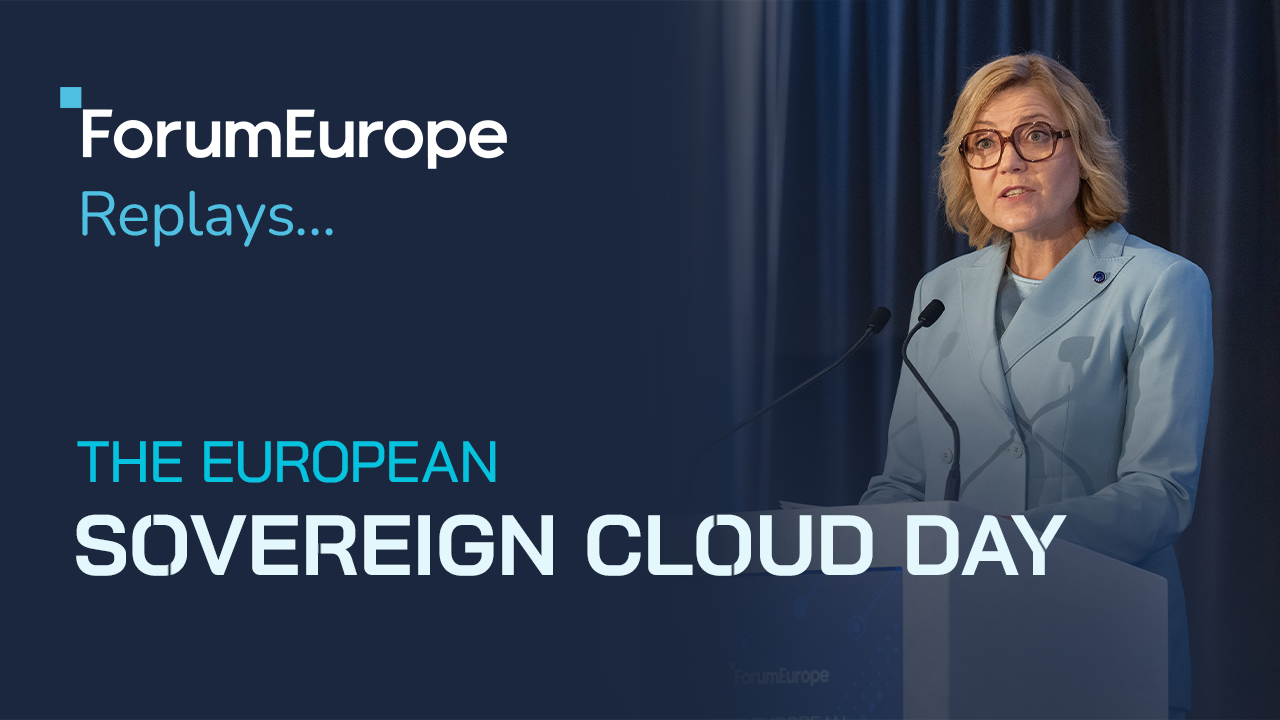
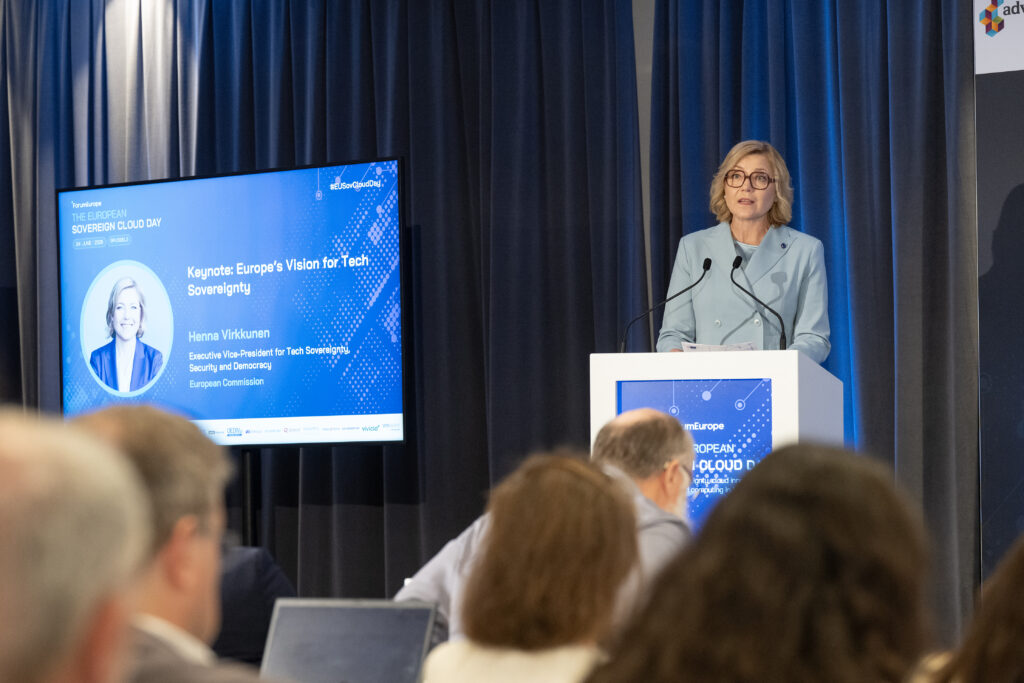
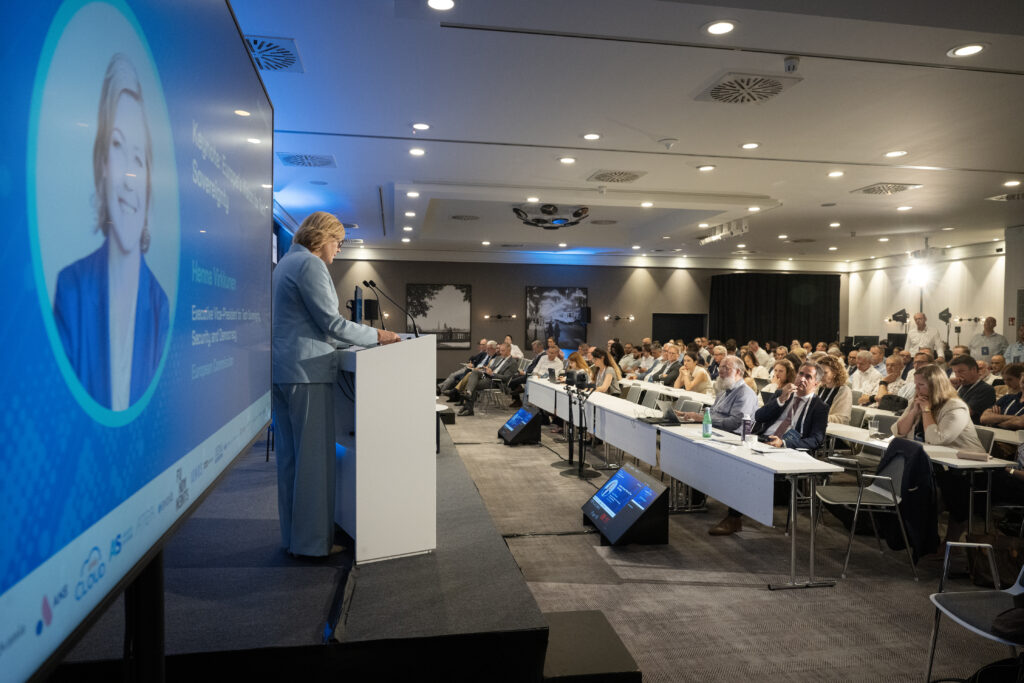
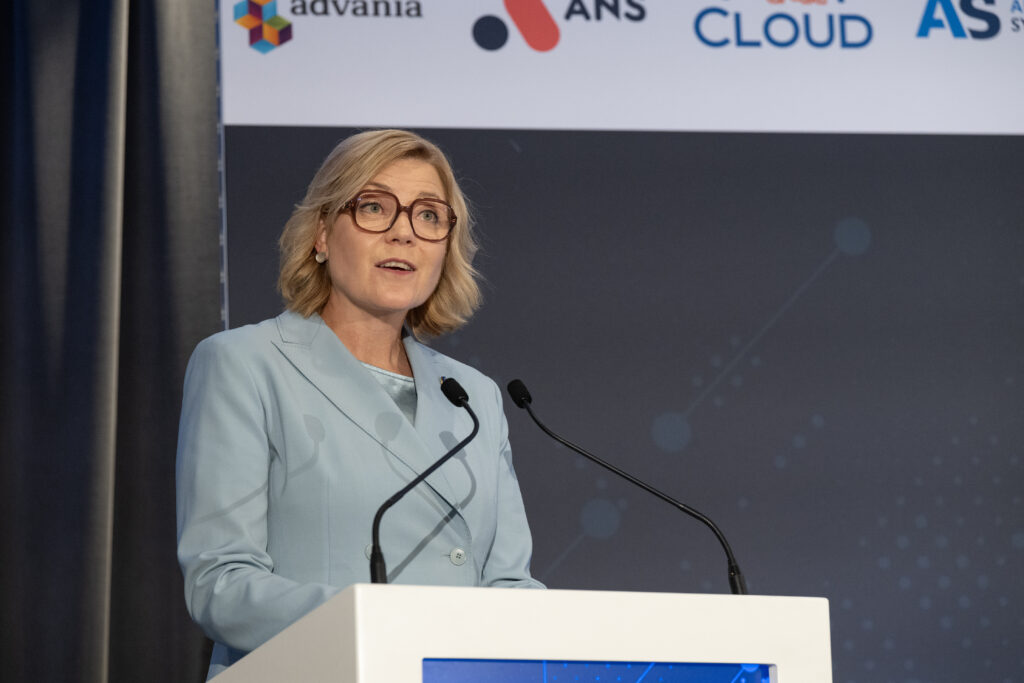

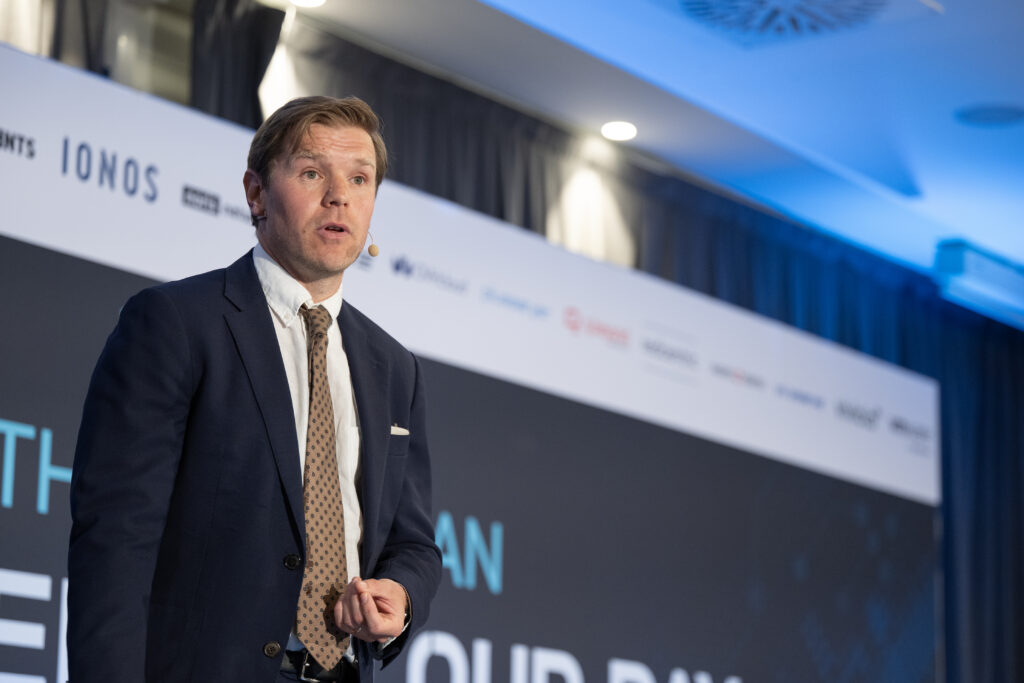
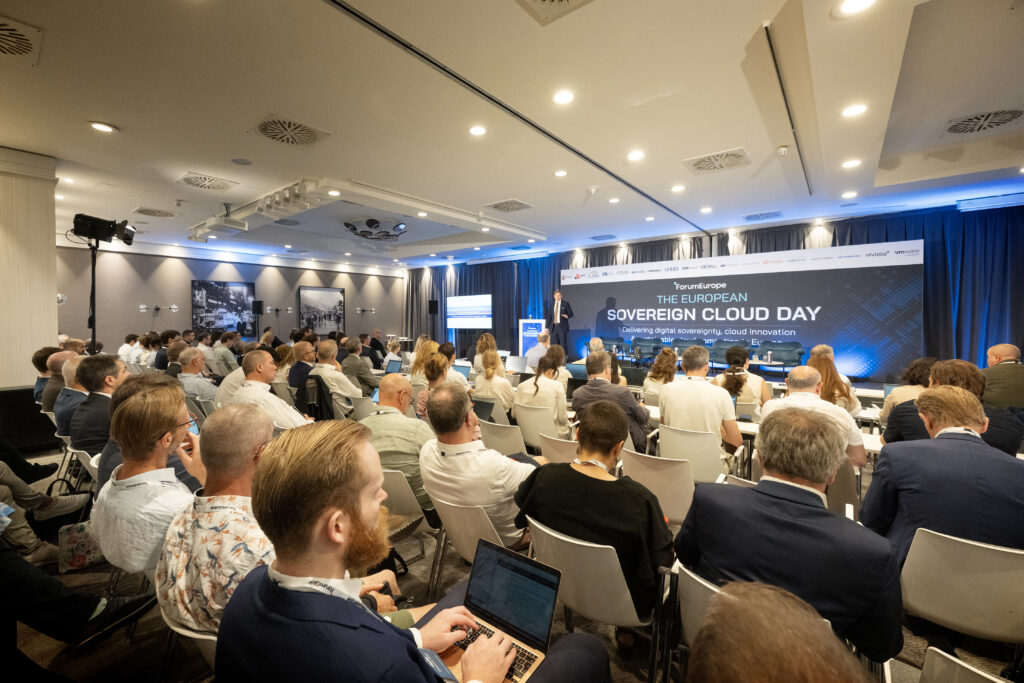
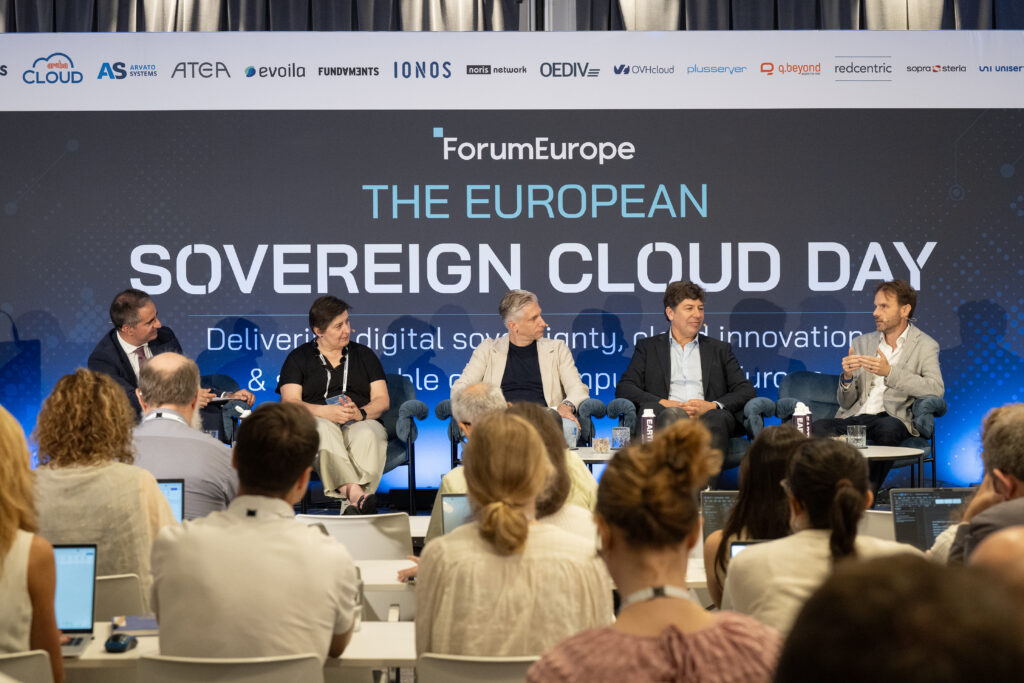
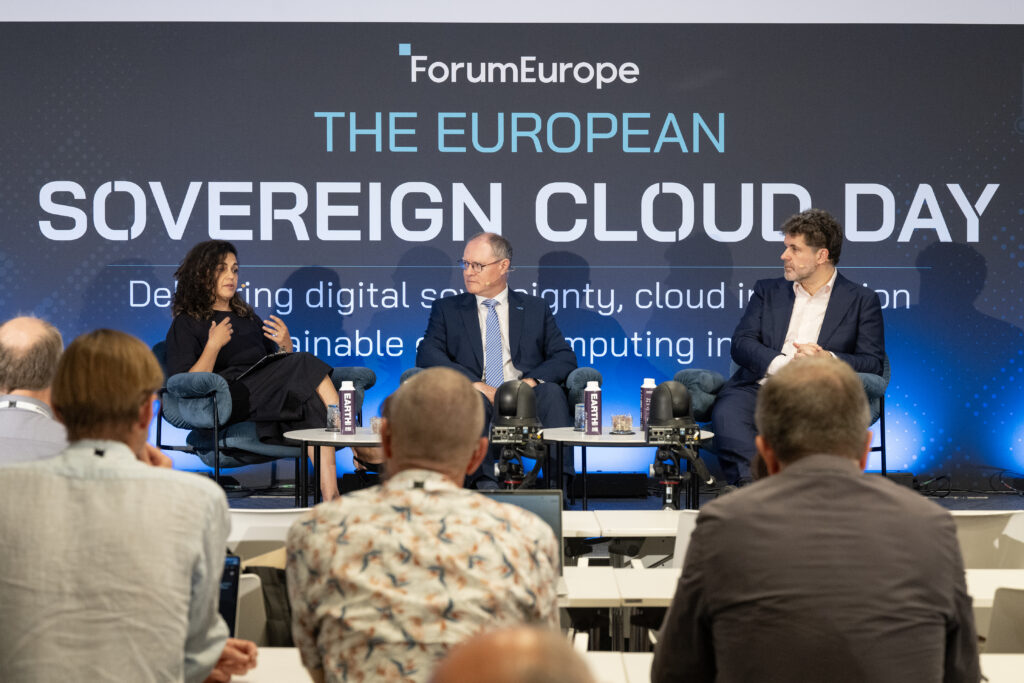
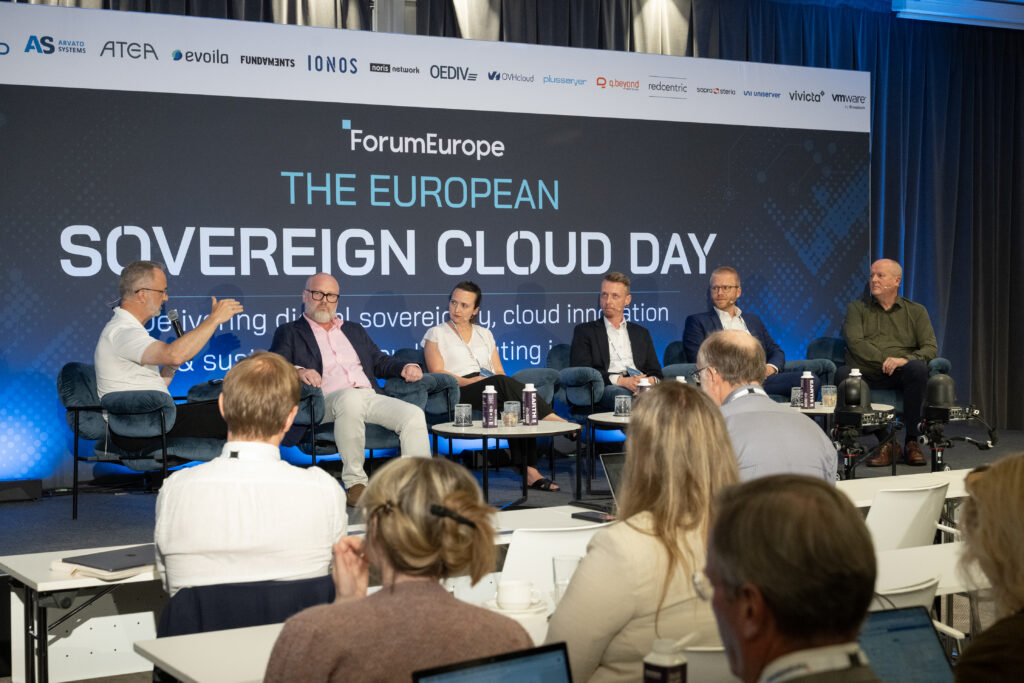
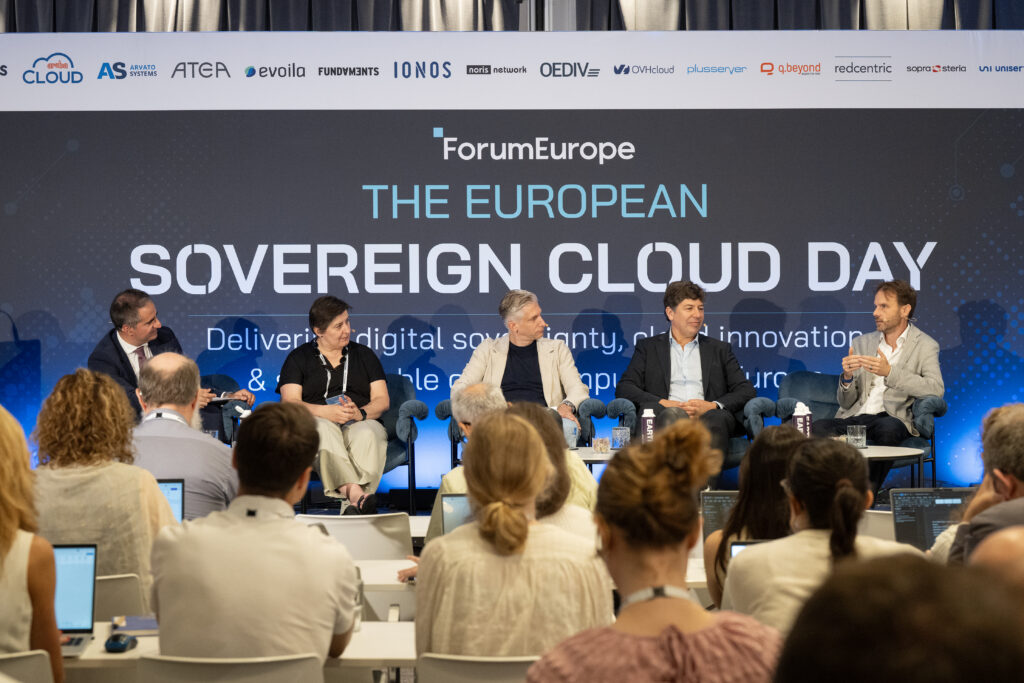
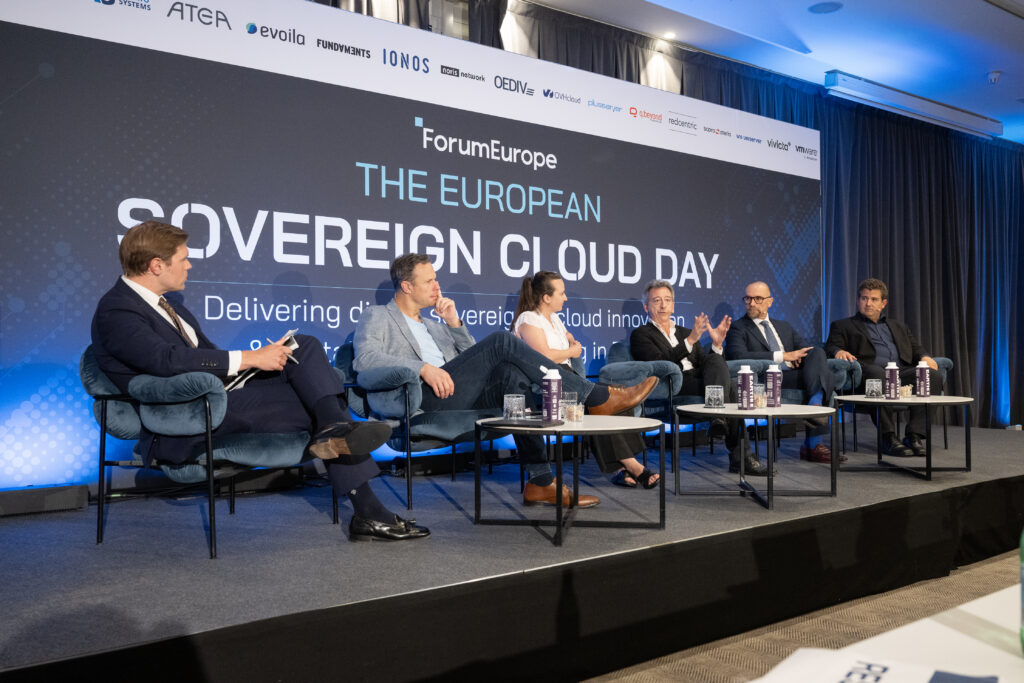
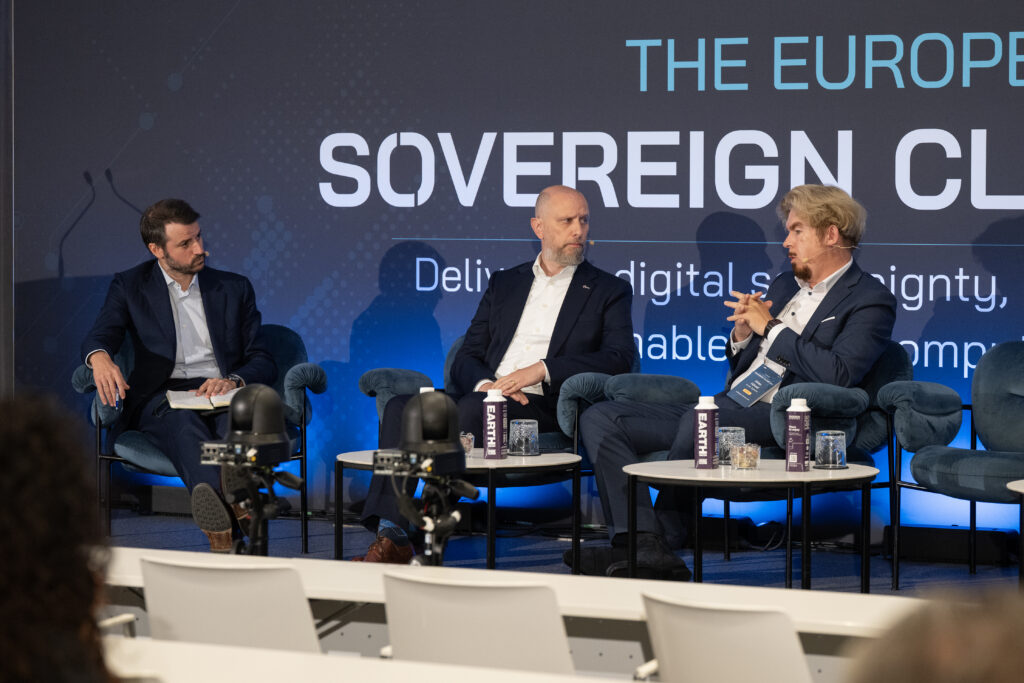









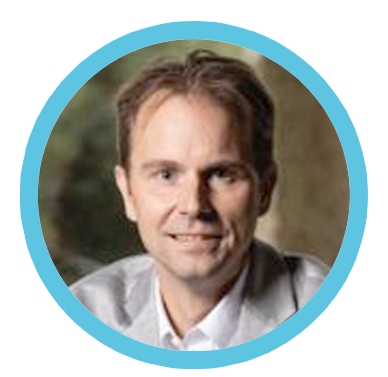









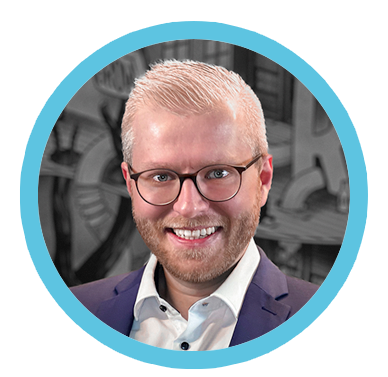
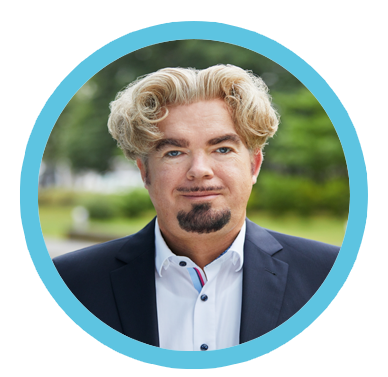
Forum Europe’s 4th European Sovereign Cloud Day, will take place in Brussels on the 24 June 2026.
European cloud sovereignty is becoming a defining issue in EU tech policy and regulation. It sits at the intersection of public procurement, cybersecurity requirements for cloud services, data governance in cloud environments, and the oversight of AI delivered through cloud infrastructure. As the EU develops frameworks to translate sovereignty from principle into procurement and compliance expectations, questions of legal exposure, operational control, supply chain trust, and interoperability are moving from specialist debate into mainstream policymaking.
The European Sovereign Cloud Day 2026 convenes EU and Member State policymakers, regulators and agencies, civil society and think tanks, and industry leaders to examine how the cloud sovereignty agenda is evolving and what it means for trusted cloud infrastructure and services in Europe. The programme focuses on the rules, guidance, and political trade-offs now under discussion – including the upcoming Cloud and AI Development Act (CADA) – and on how those choices connect to implementation realities for administrations, critical sectors, and providers.
Confirmed speakers for this year’s edition of The European Sovereign Cloud Day are listed below, with additional speakers to be announced.
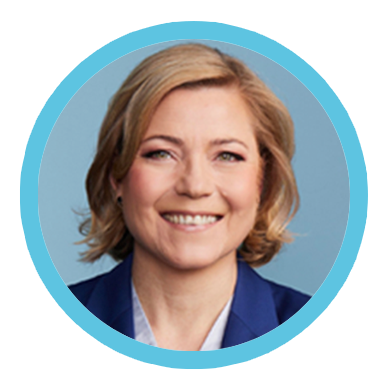
Henna Virkkunen, Executive Vice-President for Tech Sovereignty, Security and Democracy, European Commission As Executive Vice-President for Tech Sovereignty, Security and Democracy, Henna Virkkunen is tasked with combatting the increasingly complex security threats facing the EU, whilst at the same time strengthening our external borders and our internal security. This goes hand in hand with her responsibility to ensure our freedoms, justice and democracy are strengthened too.
Executive Vice-President for Tech Sovereignty, Security and Democracy
European Commission
Marco Alexander Breit, Director General Digital Policy and Economic Affairs, Federal Ministry of Digital Transformation and Government Modernization, Germany Marco-Alexander Breit was born in Neunkirchen / Saarland in 1981.
From 2001 to 2008, he studied political science, sociology and medieval and modern history at Heidelberg University and international political economy at the Catholic University of Leuven, Belgium.
From 2008 until 2014 he held various positions in the State Chancellery of Saarland, including head of the office of the Director of the State Chancellery and Minister for the Federation, Culture and Media (2010-2011), and from 2011 was head of the office of Minister-President Annegret Kramp-Karrenbauer.
In April 2014 he was appointed personal advisor to the Head of the Federal Chancellery and Federal Minister for Special Tasks, Peter Altmaier, in the Federal Chancellery in Berlin.
From April 2018 until March 2021, Mr Breit held various senior positions in the Economic Affairs Ministry in the field of digital policy. From April 2021 until February 2022, Marco-Alexander Breit has headed the Artificial Intelligence and Digital Technologies Task Force in the Federal Ministry for Economic Affairs and Energy.
Since February 2022 he is Deputy Director-General for Artificial Intelligence, Data and Digital Technologies in the Federal Ministry for Economic Affairs and Climate Action. In May 2025 he became Director General in the Federal Ministry for Digital Transformation and Government Modernisation.
Director General Digital Policy and Economic Affairs, Federal Ministry of Digital Transformation and Government Modernization
Germany
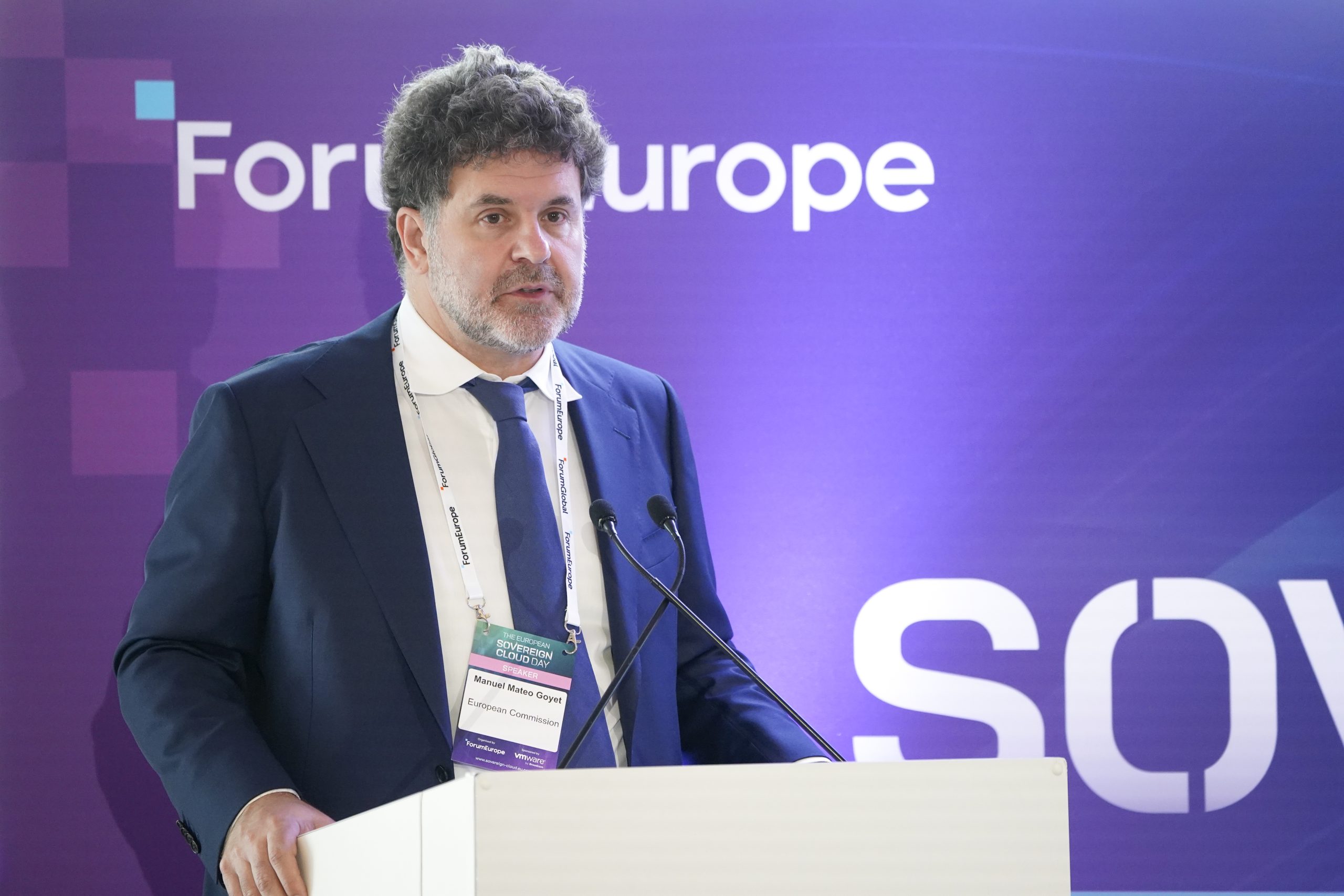
Manuel Mateo Goyet, Head of Unit – Cloud and Software, DG CNECT, European Commission Since 2019, Manuel Mateo Goyet is the deputy Head of the Cloud and Software unit at the European Commission, DG Connect.
Before that, he served as Member of the Cabinet of Commissioner Gabriel advising her on questions of copyright, audiovisual, disinformation, high performance computing, digital skills, Wifi4EU and eHealth.
Manuel Mateo joined the Commission (DG INFSO/CONNECT) in 2006 where he held several positions, including that of Assistant to the Director General, and of deputy Head of Unit dealing with inter-institutional relations.
Prior to joining the Commission in 2006, Manuel gathered an extensive experience of industry by working in the private sector in Belgium, France and the Czech Republic. Manuel Mateo holds a degree in mechanical engineering from the Free University of Brussels, a MBA in European Management that got him travelling through Spain (Deusto), France (Audencia) and the United Kingdom (Bradford Management Centre) and a Master in Political Sciences from the Free University of Brussels.
Head of Unit – Cloud and Software, DG CNECT
European Commission
Philippe Merle, Head of Unit - Cloud Services & Software Broker, DG DIGIT and Chairman of the Cloud Council, European Commission Philippe Merle is Head of Unit of Cloud and Brokering Services at the European Commission (DG DIGIT) and Chairman of the Cloud Council of the European Commission. As of 2014, he has overseen the technical aspects of cloud procurement for the EU institutions and cloud evangelists within the institutions. As chairman of the Cloud Council, he drives the technical governance of cloud adoption.
Head of Unit - Cloud Services & Software Broker, DG DIGIT and Chairman of the Cloud Council
European Commission
Diego Solier, Member, European Parliament Diego Solier is a Spanish Member of the European Parliament within the Spanish Delegation of the European Conservatives and Reformists (ECR) Group, where he also serves as a member of the Bureau. A technical engineer with a background in IT and extensive experience in the private sector, he brings a strong expertise in systems, artificial intelligence and technological integrations in multinational environments.
He sits on the Committee on Industry, Research and Energy (ITRE) and the Committee on Petitions (PETI). He is also a member of the Delegation for relations with the Andean Community (DAND) and a substitute member of the Delegation for relations with Southeast Asia and ASEAN (DASE).
Member
European Parliament
Mario Campolargo, Senior Advisor, Kreab Mario Campolargo is a recognized leader in Europe’s digital transformation, bringing decades of experience in digital innovation, public sector transformation, and EU technology policy at large.
He was Secretary of State for Digitalisation and Administrative Modernisation of Portugal in 2022-24, and prior to that held the position of Director-General in DG DIGIT in the European Commission in 2016-22, and Director Communications
Networks, Content and Technology in DG CONNECT in the European Commission in 2008-2016.
Mario is also Invited Full Professor at University of Aveiro, Member of the General Council of the University of Coimbra, and Independent Member of the Board of Directors of the European initiative Gaia-X.
Senior Advisor
Kreab
Jan Ellsberger, Director-General, ETSI Jan Ellsberger is the Director-General of ETSI (European Telecommunications/Technology Standards Institute), leading the organisation’s strategic evolution and its mission to deliver global, market-driven ICT standards grounded in European priorities and values. He can rely on extensive experience across industry, public policy and standards ecosystems, as he works closely with European institutions and stakeholders to strengthen ETSI’s role in supporting Europe’s digital leadership, sovereignty, competitiveness and innovation capacity. At the same time, he is reinforcing ETSI’s international partnerships and guiding the development of technology standards that support global digital transformation. Jan is deeply committed to fostering open, inclusive collaboration among industry, governments and research communities, ensuring that standards remain a trusted foundation for innovation and sustainable growth.
Director-General
ETSI
Miroslav Ognyanov, Head of Unit, Procurement and Legal Compliance, DG DIGIT, European Commission Miroslav Ognyanov is Head of Unit of the Procurement and Legal Compliance Unit within the Directorate-General for Digital Services (DIGIT) of the European Commission.
His unit is responsible for the legal soundness and operational effectiveness of the Commission’s ICT procurement and contractual frameworks.
Miroslav Ognyanov manages a multidisciplinary team in charge of legal advice, contract compliance, procurement planning, and risk assessment, ensuring all procedures align with the EU legal framework.
Head of Unit, Procurement and Legal Compliance, DG DIGIT
European Commission
Eric Chambriard, Vice President Sales & Strategic Alliances, OVH cloud Eric Chambriard has held a number of senior positions at major telecommunications operators (T-System, SFR…), which experienced rapid growth throughout the period of deregulation. He subsequently ran his own services company in this sector, which he sold in 2018. He then joined OVHcloud, where he is responsible for strategic alliances with OVHcloud’s key technology partners.
Vice President Sales & Strategic Alliances
OVH cloud
Andrea Renda, Director of Research, CEPS Andrea Renda is Director of Research at CEPS since 1 November 2023. He also leads the CEPS Unit on Global Governance, Regulation, Innovation and the Digital Economy (GRID).
He is Adjunct Professor of Digital Policy at the School of Transnational Governance of the European University Institute, in Florence (Italy), where he (i) teaches courses on “Regulation of Emerging Technologies” and “AI Policy: ethics, policy and governance challenges”; (ii) teaches in, and coordinates, several executive training courses (on digital platforms, high-quality regulation, agile governance, digital identity, blockchain); directs research projects (ACE BRAIN on blockchain, regulation and innovation; and a project on the future of work); and contributes research to the Global Peace Tech Hub.
Andrea is a non-resident Senior Fellow at Duke University’s Kenan Institute for Ethics, and Visiting Professor of Competition Policy and the Digital Economy at the College of Europe in Bruges (Belgium). He is a Fellow of the World Academy of Arts and Science, a CITI Fellow at Columbia University’s Centre for Tele-Information and a member of the European Parliament’s STOA International Advisory Board. His current research interests include regulation and policy evaluation, regulatory governance, innovation and competition policies, sustainable development, innovation policy, and the ethical and policy challenges of emerging digital technologies, in particular Artificial Intelligence.
A very prolific author and keynote speaker, Andrea provides regular advice to several institutions, including the European Commission, the European Parliament, the OECD, the World Bank, the Inter-American Development Bank, and many more. He sits in the Board of the journals Telecommunications Policy (Elsevier), European Journal of Risk Regulation (Cambridge) and Digital Policy, Regulation and Governance (Emerald). He is currently the Vice Chair of the advisory group on Economic and Societal Impacts of Research (ESIR), for the European Commission, DG Research and Innovation; and member of the Expert Group on “Smart Specialisation Strategies for Sustainability” (S4) at the European Commission, DG Joint Research Centre; and a Distinguished Fellow appointed to provide advice to the European Commission, DG GROW for the year 2023. He is the Co-director of the Brookings/CEPS Forum for Global Cooperation on AI. He is also a member of the OECD Network of Experts on AI, where he is currently the Co-Chair of the Working Group on Risk.
In the recent past, Andrea was a member of the EU High Level Expert Group on Artificial Intelligence, and a member of the Task Force on AI of the Italian Ministry of Economic Development. He sits in the Advisory Board of the University College Dublin’s Centre for Digital Policy; and in the Steering Committee of the “Regulatory Diplomacy in Artificial Intelligence” project at the Global Partnership on AI’s International Center of Expertise in Montreal on Artificial Intelligence (CEIMIA). He is the Co-Coordinator and Strategy Director of the PERISCOPE project, an EU-funded project that analyses the socio-economic and behavioural impacts of COVID-19; and the Director of the Trade and Technology Dialogue, an EU-funded project that supports, for three years, the activities of all ten working groups of the EU-U.S. Trade and Technology Council.
Director of Research
CEPS
Uwe Geier, Senior Director Cloud Solutions, IONOS Uwe Geier is Head of Cloud Products at IONOS, where he leads technical and commercial product management for Server & Cloud services and the corresponding Partner Management . With over 30 years of experience in open source, cloud architectures, and IT service management, Uwe is recognized for driving innovation, security, and operational excellence. He holds multiple industry certifications, including ITIL Expert & Managing Professional and ISO/IEC 27001 Information Security Officer, and has a proven track record in building scalable, secure cloud solutions for enterprise customers.
Senior Director Cloud Solutions
IONOS
Katharina Cordes, Product Director Enterprise Cloud Development, plusserver Katharina Cordes joined Plusserver in late 2022, where she is responsible for product development for Cloud Infrastructure and Platform Services (IaaS & PaaS). Previously, she held leadership positions in product management, e-commerce, and digital marketing at companies including Fielmann and OTTO. Her areas of focus include cloud platforms, product strategy, automation, and data-driven decision-making. Her achievements include growing Cloud ARR to over €20 million and halving time-to-market through automation. She stands for customer-centric innovation and sustainable growth.
Product Director Enterprise Cloud Development
plusserver
Andreea Gulacsi, Director Policy and External Affairs, CEN-CENELEC Andreea Gulacsi is Director of Policy and External Affairs at CEN and CENELEC, two of the official European standardization organizations. In this role, she oversees the organizations’ engagement with policymakers, strategic partners, and stakeholders, both within the EU and internationally, while also leading external communication efforts. Andreea serves as secretary to the policy groups and works closely with CEN and CENELEC officials to coordinate the development, implementation, and monitoring of strategic initiatives. Her work contributes to identifying new standardization opportunities and promoting the European standardization model, both within the EU and globally.
With her expertise, Andreea ensures that CEN and CENELEC effectively contribute to promoting innovation, sustainability, and international cooperation through standards.
Director Policy and External Affairs
CEN-CENELEC
Ilias Chantzos, Chief Privacy Officer, Broadcom Bio to follow shortly.
Chief Privacy Officer
Broadcom
Joe Baguley, Chief Technology Officer, Field Sales, EMEA, Broadcom Joe Baguley is the Chief Technology Officer, Field Sales, EMEA for Broadcom. He helps develop and communicate strategy and vision with customers and partners, using his wealth of experience to help organizations reduce costs and better support users and business needs. Joe is a recognized leader within the European technical community and is considered one of the world’s most influential IT global leaders, currently positioned 26th on Tenfold’s global list of the top 79 Chief Technology Officers. He speaks regularly at industry events, including The Economist’s Innovation Summit, to the broadcast media, including BBC World News and BBC Talking Business, and appeared in the Computer Weekly UKtech50 and the Information Age Top 50 Data Leaders. He has played a key role in CloudCamp and other events, communicating how cloud technology fits into the broader IT landscape. Joe previously spent 10 years at Quest Software where he was CTO of EMEA, shaping its direction and strategy. Joe is based in the U.K. with a remit across Europe, Middle East and Africa.
Chief Technology Officer, Field Sales, EMEA
Broadcom
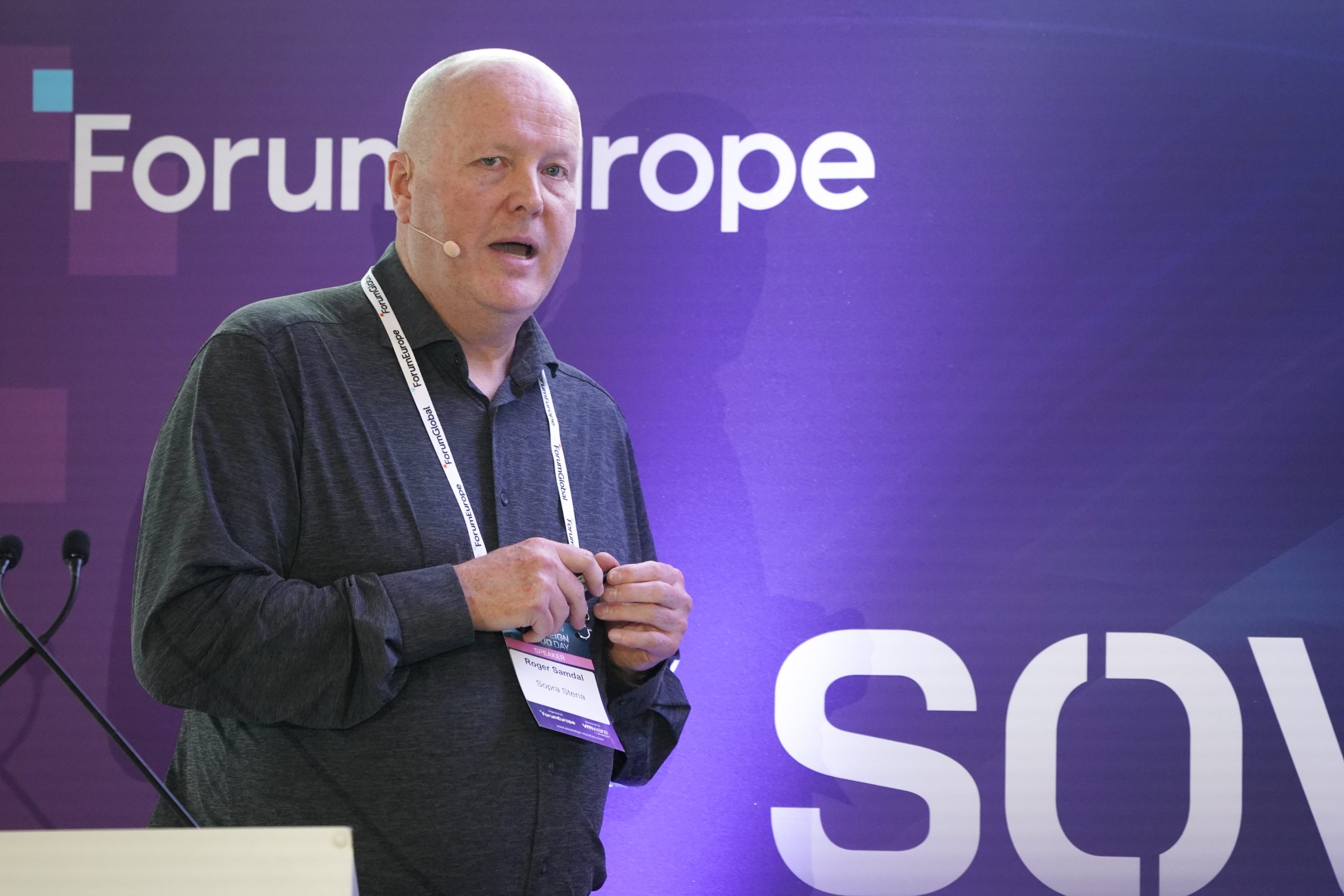
Roger Samdal, Agency Director, Hybrid Cloud, Sopra Steria Roger Samdal is Agency Director for Hybrid Cloud at Sopra Steria.
He is a member of the Sopra Steria Group office of the CTO, developing sovereign cloud platforms and advisory services in Europe. He also leads a team focused on developing and delivering private and hybrid cloud platforms, focusing on regulated industries like defense, healthcare, and the energy sector. Platforms that are balancing sovereignty, robustness, national autonomy and innovation.
He brings extensive experience in cloud technologies and enterprise IT, having previously held several senior roles at VMware, including Manager of Solution Engineering and Lead Solutions Engineer for Strategic Partners in the Nordics and Baltics. In these positions, he advised customers and partners on cloud architecture, hybrid cloud adoption, and infrastructure modernisation.
Earlier in his career, he held technical roles at EMC, Hewlett Packard, and other IT companies, building a strong foundation in systems engineering and enterprise infrastructure.
Agency Director, Hybrid Cloud
Sopra Steria
Elisar Bashir, Principal Analyst, Cullen International Elisar follows EU regulation shaping the digital economy with a particular focus on AI and data-related technologies. She has previous experience working for a tech company and the European External Action Service, among others. Elisar has a master’s degree in public policy from the University of Oxford and holds a master’s in international relations and law of the European Union from Sofia University “St. Kliment Ohridski”.
Principal Analyst
Cullen International
Audun Lødemel, Vice President Business Development, ATEA cloud Bio to follow shortly.
Vice President Business Development
ATEA cloud
Larik-Jan Verschuren-Parchomov, CTO, Fundaments Larik-Jan Verschuren-Parchomov is Co-founder and Chief Technology Officer of Fundaments, the Dutch specialist in sovereign private cloud. He operates at the intersection of fast-moving technology and evolving customer demand, translating both into cloud infrastructure that organisations can run entirely on their own terms, fully aligned with European security, compliance and data-sovereignty requirements. With more than two decades in managed hosting and IaaS, Larik-Jan treats data as an organisation’s most valuable asset, and that conviction shapes every service Fundaments delivers.
CTO
Fundaments
Ronald Bezuur, CEO & Founder, Uniserver Ronald Bezuur is the founder and CEO of Uniserver, one of the Netherlands’ leading cloud infrastructure providers. He founded the company more than two decades ago and has since built it into a trusted partner for managed service providers, independent software vendors, and mission-critical organisations that depend on secure, sovereign cloud environments to run their most critical workloads.
Under his leadership, Uniserver has positioned itself at the forefront of the Dutch sovereign cloud market, delivering private cloud solutions that combine enterprise-grade performance with full alignment to European data protection, security and compliance frameworks. Ronald is a strong advocate for European digital autonomy and believes that genuine cloud sovereignty requires more than a data centre on European soil – it demands European ownership, governance, and operational control across the full stack.
Ronald also drives Uniserver’s broader European ambition: building a private, sovereign cloud platform that gives organisations across regulated sectors a credible, locally-rooted alternative to hyperscale providers, without compromising on innovation or scale.
CEO & Founder
Uniserver
Petr Malina, Lead Business Development Manager, Cloud Services, Vivicta Bio to follow shortly.
Lead Business Development Manager, Cloud Services
Vivicta
David Michels, Researcher with the Cloud Legal Project at the Centre for Commercial Law Studies, Queen Mary University of London David Michels is a researcher with the Cloud Legal Project at the Centre for Commercial Law Studies, Queen Mary University of London, and a Guest Teacher at the London School of Economics. He has published articles covering cloud and IT services in leading US and European law journals and is a co-author of the Cloud Computing Law book (2nd edition, OUP, 2021). His research has been funded by Microsoft and Broadcom and his findings have been cited by the Singapore Court of Appeal and the Law Commission of England and Wales. Before joining academia, he worked as a Strategy and Policy Associate at Ofcom (the UK telecoms regulator) and as an Associate Legal Officer at the United Nations in the Hague. He has written an independent expert report for Broadcom on “Sovereign Cloud for Europe” and his most recent article, entitled “Storm Clouds are Building: Surveillance, Sovereignty, and State Interests”, will be published in the Virginia Journal of Law and Technology in 2025.
Researcher with the Cloud Legal Project at the Centre for Commercial Law Studies
Queen Mary University of London
Ingo Kraupa, Co-founder and CEO, noris network Ingo Kraupa is the CEO of noris network AG, a leading German IT service provider. He co-founded the company in 1993 during his computer science studies at the University of Erlangen-Nuremberg. Over the last thirty years he developed the company from a small regional internet service provider to one of the best-renowned German IT service, cloud and datacenter providers with a strong business focus.
As CEO, Ingo Kraupa oversees financial planning, marketing and sales as well as human resources and corporate strategy. His focus is on business development and operational excellence, with a strong interest in business process automation and Green IT.
Co-founder and CEO
noris network
Lars Göbel, Chief Commercial Officer, Evoila Bio to follow shortly.
Chief Commercial Officer
Evoila
Mauro Brambilla, Public Affairs Manager, Aruba With over 25 years of experience in the Information Technology sector, he has held technical, operational, commercial and senior leadership roles across the digital infrastructure ecosystem. His current focus is on Public Affairs for Aruba S.p.A. in the Cloud and Data Center domains, where he works on regulatory positioning, institutional engagement and policy initiatives linked to Europe’s digital infrastructure and data economy.
Since June 2025, he has served as a member of the Board of Directors of the Gaia-X Association for Data and Cloud AISBL. In this role, he contributes to the development of European policies on data sovereignty and supports the adoption of the Gaia-X framework across the European digital infrastructure ecosystem.
Alongside this institutional and policy-oriented activity, he also serves as Chief Operating Officer of Dynamo S.p.A., bringing operational and business leadership experience to his broader public affairs work.
With a specialised background in legal informatics, he has developed strong expertise in assessing the impact of European regulation and translating regulatory requirements into strategic business opportunities.
Public Affairs Manager
Aruba
Eric Skalberg, Head of Cyber Security and Compliance, Advania Bio to follow shortly.
Head of Cyber Security and Compliance
Advania
Javier Huerta Bravo, Head of Digital Economy, Cullen International Javier leads Cullen International’s digital economy regulatory intelligence service for Europe, following developments on data, cybersecurity and digital platforms. Before joining Cullen International in 2014, Javier worked at the European Commission on copyright, e-commerce and other topics related to online services. He is a qualified lawyer in Spain.
Head of Digital Economy
Cullen International
Paul Adamson, Chairman, Forum Europe Paul Adamson is chairman of Forum Europe and founder and editor of Encompass, an online magazine dedicated to covering the European Union and Europe’s place in the world.
Paul is a member of the Centre for European Reform’s advisory board and Rand Europe’s Council of Advisors. He is also a Visiting Professor at the Policy Institute, King’s College London, a patron of the University Association of Contemporary European Studies (UACES) and a Fellow of the UK Academy of Social Sciences.
In 2012, Paul was made an Officer of the Order of the British Empire (OBE) “for services to promoting understanding of the European Union” and in 2016 he was made a Chevalier in the Ordre national du Mérite by the French government.
Chairman
Forum Europe
Miljana Todorovic, Digital Economy Analyst, Cullen International Dr Miljana Todorovic is an analyst at Cullen International, where she focuses on EU data and platform regulation, as well as UK policy and regulatory developments shaping the digital economy. Prior to joining Cullen International, she worked as a university researcher and lecturer. She holds a Ph.D. in Law from the University of Belgrade and an LL.M. in International Business Law from the Université Libre de Bruxelles.
Digital Economy Analyst
Cullen International
Emna Chaouch, Leadership Advisor, Public Speaking Expert, & Business Mentor Emna Chaouch is an Executive & Strategic Advisor to top-tier CEOs, business leaders, and high-profile political figures. As an expert in ‘Inner Governance’ and the creator of the Integrated Leadership™ protocol, she steps in during critical momentum to realign a leader’s strategic vision, core messaging architecture and personal energy. Her surgical approach empowers figures of authority to overcome executive isolation and lead with absolute legitimacy, clarity, and impact.
Leadership Advisor, Public Speaking Expert, & Business Mentor
Event MC
All times are in CEST
Stay tuned for the full agenda featuring keynote speeches, panel discussions, and interactive sessions on cloud sovereignty.
The Cloud and AI Development Act (CADA) is set to be the EU’s most significant legislative intervention in cloud sovereignty to date. Expected to be proposed in the first half of 2026 under Article 114 TFEU, CADA will complement the existing regulatory stack – the Data Act, the AI Act, NIS2 – and reshape how cloud services are procured, delivered, and trusted in Europe. This opening keynote, from the directorate responsible for cloud and software policy, sets out the Commission’s thinking on CADA in concrete terms: what the Act is expected to contain, where the Commission is drawing hard lines on data localisation, infrastructure requirements, and interoperability, and where the market can expect flexibility. How does CADA change the calculus for cloud providers and public sector buyers? What does it mean for European industrial capacity in cloud? And how does it fit within the broader Competitiveness Compass and tech sovereignty agenda?
The AI Act is now in its implementation phase. How does “Sovereign AI” intersect with cloud infrastructure obligations? This session addresses accountability chains for data handling and model lifecycles in high-risk public sector AI, the interplay between the AI Act and cloud sovereignty requirements, and the upcoming Digital Omnibus implementation timelines.
European concerns over the widespread reliance on US clouds were spurred by a series of moments, including the Snowden revelations, the US CLOUD Act, and the US sanctions on the ICC. Driven by these concerns, many organisations are looking to adopt sovereign cloud solutions that protect data from foreign jurisdictions, while strengthening operational resilience and avoiding vendor lock-in. The market has responded with a range of different solutions that promise customers digital autonomy. So, how do these models differ – and how can organisations navigate the resulting sovereignty spectrum to choose a model that balances control, cost, and innovation?
The gap between EU-level standardisation and national interpretation is creating a fragmented map of “sovereignty” across Europe. What is the EU trying to standardise through frameworks and procurement guidance, and where will it leave room for Member States to diverge? As CADA advances through co-decision, how will it interact with existing national schemes such as SecNumCloud and BSI C5, and where will the Act drive convergence? What counts as unacceptable jurisdictional exposure in policy terms, and what kinds of mitigations are likely to be treated as credible rather than cosmetic when public buyers test claims? How should policymakers balance sovereignty objectives with other EU priorities such as openness, competition, resilience, and industrial policy?
Sovereignty requirements are moving from policy documents into live procurement. But what happens when ambitious sovereignty language meets the reality of writing a tender, evaluating bids, and managing a supplier market? This session brings together the operational and political perspectives: how procurement authorities are interpreting sovereignty objectives in practice, what the evaluation process actually looks for, and where parliamentary scrutiny is pushing for higher ambition — or greater pragmatism. What makes a sovereignty claim credible in a scored evaluation? Where do requirements consistently create friction between buyers and suppliers? And how can procurement be designed to strengthen the market rather than shrink it?
Once CADA is on the table, the immediate question is how it will be implemented. Standards, certification, and interoperability are the operational levers that will translate the Act’s sovereignty objectives into practical market signals for cloud infrastructure and services. What role will interoperability and exit readiness play in CADA’s implementation, and how might they appear in procurement expectations, certification frameworks, or delegated acts? How will CADA interact with existing standards at CEN-CENELEC and with the EUCS process? What should the market expect in terms of harmonisation – shared definitions, minimum documentation, baseline controls – and where will sector-specific or Member State variation remain? How should providers and buyers interpret “trusted cloud” signals when the reality is multi-cloud, multi-supplier delivery?
High-level sovereignty policy often hits a wall when it becomes a specific tender document. How does a buyer translate concepts such as “operational independence” or “jurisdictional immunity” into enforceable pass-or-fail criteria without shrinking the bidder pool to zero? What happens when suppliers respond – which requirements trigger immediate disputes, price hikes, or no-bid warnings? When strict sovereignty is enforced, what trade-offs emerge around audit rights, privileged access controls, exit planning, and sub-contractor transparency? With the Cloud III DPS tender (€180 million, launched October 2025) providing the first real-world application of the Cloud Sovereignty Framework, this session brings together the people who write and evaluate tenders rather than just those who write policy.
The Executive Vice-President responsible for the EU’s digital and frontier technologies portfolio delivers a keynote address at the summit, setting out the Commission’s political vision for Europe’s digital future. How does the Commission intend to balance sovereignty ambitions with competitiveness? What will CADA and related legislative initiatives mean for Europe’s cloud market? And what commitments does the Commission expect from industry in return?
The demand for Sovereign Cloud in Europe is accelerating as governments and regulated industries seek greater control over sensitive data, infrastructure technology sourcing, and the jurisdiction governing cloud-provider operations amid rising geopolitical risk and growing AI adoption. Yet sovereignty is not one-size-fits-all. Organisations must balance compliance requirements with application needs, service levels, budgets, and risk tolerance when choosing the right Sovereign Cloud solution. This panel explores how cloud service providers, EU member states, and regulated industries are approaching sovereignty in the procurement and delivery of cloud services.
Sovereignty and cybersecurity regulation are converging in practice for cloud services. As Member States implement NIS2 and increase scrutiny of third-party risk, incident readiness, and operational continuity, are sovereignty claims being judged increasingly through a security lens? What does this mean for audit rights, subcontractor controls, software provenance, privileged access governance, and service continuity obligations? Where do providers encounter conflicting demands across supervisory cultures and procurement authorities, and what EU-level clarification would reduce fragmentation without lowering the bar?
The EU’s direction of travel will reshape public procurement, compliance strategies, and market structures in cloud infrastructure and services. Which elements of today’s sovereignty debate are most likely to harden into common baselines, and which will remain politically contested? Where is the EU most likely to draw firm lines for critical services – jurisdictional exposure, operational control, supply chain transparency, portability and exit, security assurance – and where will managed exposure remain acceptable? How will AI governance obligations interact with sovereign cloud expectations, and what will CADA’s passage through co-decision mean for the sector?
The Cloud and AI Development Act (CADA) is set to be the EU’s most significant legislative intervention in cloud sovereignty to date. Expected to be proposed in the first half of 2026 under Article 114 TFEU, CADA will complement the existing regulatory stack – the Data Act, the AI Act, NIS2 – and reshape how cloud services are procured, delivered, and trusted in Europe. This opening keynote, from the directorate responsible for cloud and software policy, sets out the Commission’s thinking on CADA in concrete terms: what the Act is expected to contain, where the Commission is drawing hard lines on data localisation, infrastructure requirements, and interoperability, and where the market can expect flexibility. How does CADA change the calculus for cloud providers and public sector buyers? What does it mean for European industrial capacity in cloud? And how does it fit within the broader Competitiveness Compass and tech sovereignty agenda?
The AI Act is now in its implementation phase. How does “Sovereign AI” intersect with cloud infrastructure obligations? This session addresses accountability chains for data handling and model lifecycles in high-risk public sector AI, the interplay between the AI Act and cloud sovereignty requirements, and the upcoming Digital Omnibus implementation timelines.
European concerns over the widespread reliance on US clouds were spurred by a series of moments, including the Snowden revelations, the US CLOUD Act, and the US sanctions on the ICC. Driven by these concerns, many organisations are looking to adopt sovereign cloud solutions that protect data from foreign jurisdictions, while strengthening operational resilience and avoiding vendor lock-in. The market has responded with a range of different solutions that promise customers digital autonomy. So, how do these models differ – and how can organisations navigate the resulting sovereignty spectrum to choose a model that balances control, cost, and innovation?
The gap between EU-level standardisation and national interpretation is creating a fragmented map of “sovereignty” across Europe. What is the EU trying to standardise through frameworks and procurement guidance, and where will it leave room for Member States to diverge? As CADA advances through co-decision, how will it interact with existing national schemes such as SecNumCloud and BSI C5, and where will the Act drive convergence? What counts as unacceptable jurisdictional exposure in policy terms, and what kinds of mitigations are likely to be treated as credible rather than cosmetic when public buyers test claims? How should policymakers balance sovereignty objectives with other EU priorities such as openness, competition, resilience, and industrial policy?
Sovereignty requirements are moving from policy documents into live procurement. But what happens when ambitious sovereignty language meets the reality of writing a tender, evaluating bids, and managing a supplier market? This session brings together the operational and political perspectives: how procurement authorities are interpreting sovereignty objectives in practice, what the evaluation process actually looks for, and where parliamentary scrutiny is pushing for higher ambition — or greater pragmatism. What makes a sovereignty claim credible in a scored evaluation? Where do requirements consistently create friction between buyers and suppliers? And how can procurement be designed to strengthen the market rather than shrink it?
Once CADA is on the table, the immediate question is how it will be implemented. Standards, certification, and interoperability are the operational levers that will translate the Act’s sovereignty objectives into practical market signals for cloud infrastructure and services. What role will interoperability and exit readiness play in CADA’s implementation, and how might they appear in procurement expectations, certification frameworks, or delegated acts? How will CADA interact with existing standards at CEN-CENELEC and with the EUCS process? What should the market expect in terms of harmonisation – shared definitions, minimum documentation, baseline controls – and where will sector-specific or Member State variation remain? How should providers and buyers interpret “trusted cloud” signals when the reality is multi-cloud, multi-supplier delivery?
High-level sovereignty policy often hits a wall when it becomes a specific tender document. How does a buyer translate concepts such as “operational independence” or “jurisdictional immunity” into enforceable pass-or-fail criteria without shrinking the bidder pool to zero? What happens when suppliers respond – which requirements trigger immediate disputes, price hikes, or no-bid warnings? When strict sovereignty is enforced, what trade-offs emerge around audit rights, privileged access controls, exit planning, and sub-contractor transparency? With the Cloud III DPS tender (€180 million, launched October 2025) providing the first real-world application of the Cloud Sovereignty Framework, this session brings together the people who write and evaluate tenders rather than just those who write policy.
The Executive Vice-President responsible for the EU’s digital and frontier technologies portfolio delivers a keynote address at the summit, setting out the Commission’s political vision for Europe’s digital future. How does the Commission intend to balance sovereignty ambitions with competitiveness? What will CADA and related legislative initiatives mean for Europe’s cloud market? And what commitments does the Commission expect from industry in return?
The demand for Sovereign Cloud in Europe is accelerating as governments and regulated industries seek greater control over sensitive data, infrastructure technology sourcing, and the jurisdiction governing cloud-provider operations amid rising geopolitical risk and growing AI adoption. Yet sovereignty is not one-size-fits-all. Organisations must balance compliance requirements with application needs, service levels, budgets, and risk tolerance when choosing the right Sovereign Cloud solution. This panel explores how cloud service providers, EU member states, and regulated industries are approaching sovereignty in the procurement and delivery of cloud services.
Sovereignty and cybersecurity regulation are converging in practice for cloud services. As Member States implement NIS2 and increase scrutiny of third-party risk, incident readiness, and operational continuity, are sovereignty claims being judged increasingly through a security lens? What does this mean for audit rights, subcontractor controls, software provenance, privileged access governance, and service continuity obligations? Where do providers encounter conflicting demands across supervisory cultures and procurement authorities, and what EU-level clarification would reduce fragmentation without lowering the bar?
The EU’s direction of travel will reshape public procurement, compliance strategies, and market structures in cloud infrastructure and services. Which elements of today’s sovereignty debate are most likely to harden into common baselines, and which will remain politically contested? Where is the EU most likely to draw firm lines for critical services – jurisdictional exposure, operational control, supply chain transparency, portability and exit, security assurance – and where will managed exposure remain acceptable? How will AI governance obligations interact with sovereign cloud expectations, and what will CADA’s passage through co-decision mean for the sector?
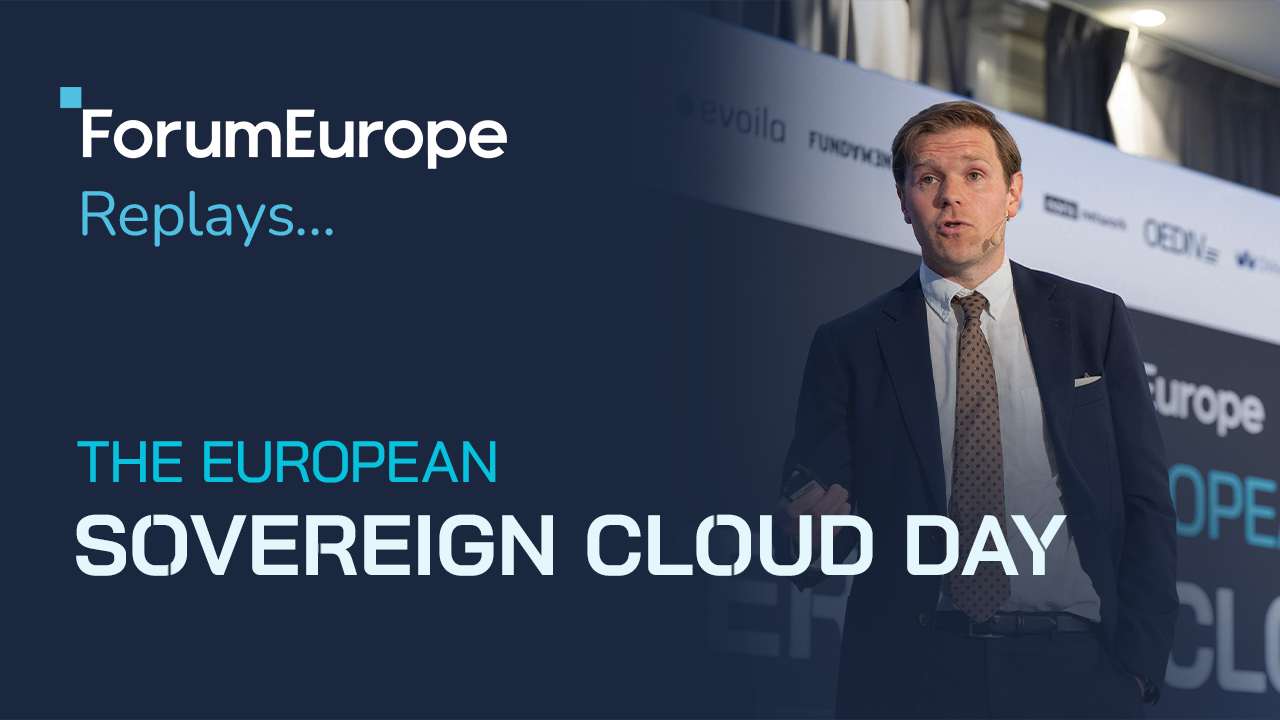
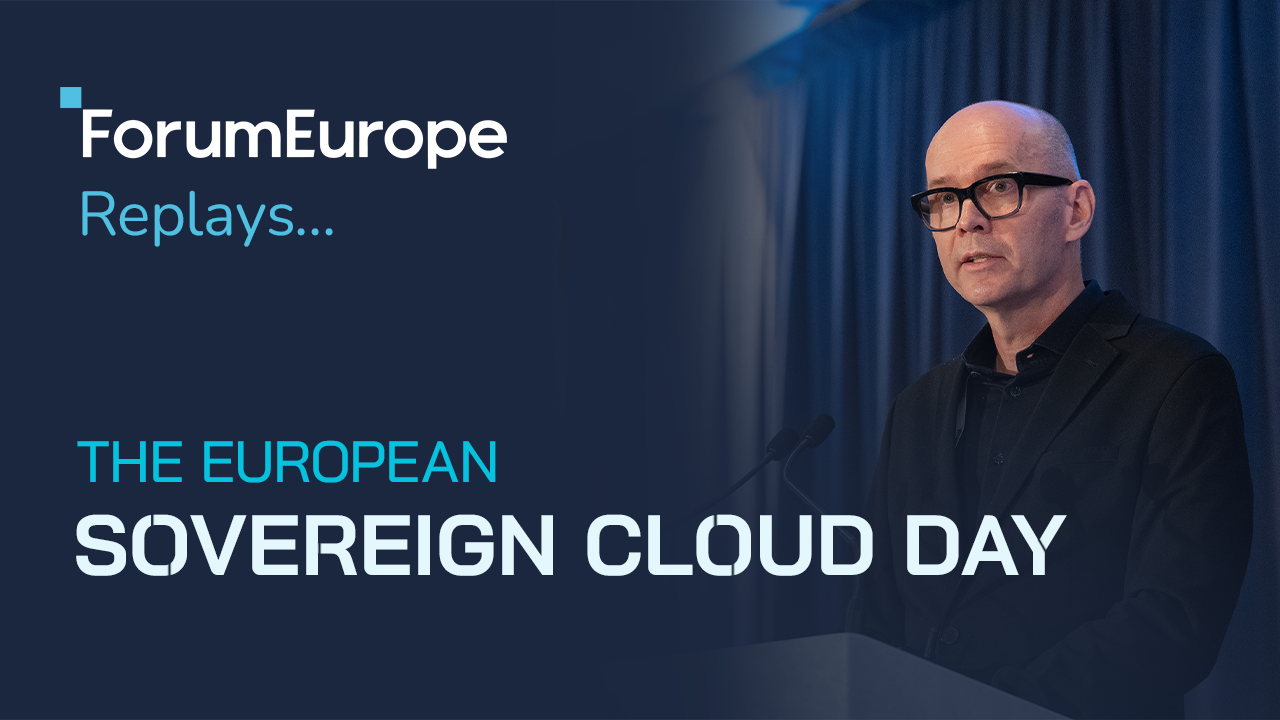
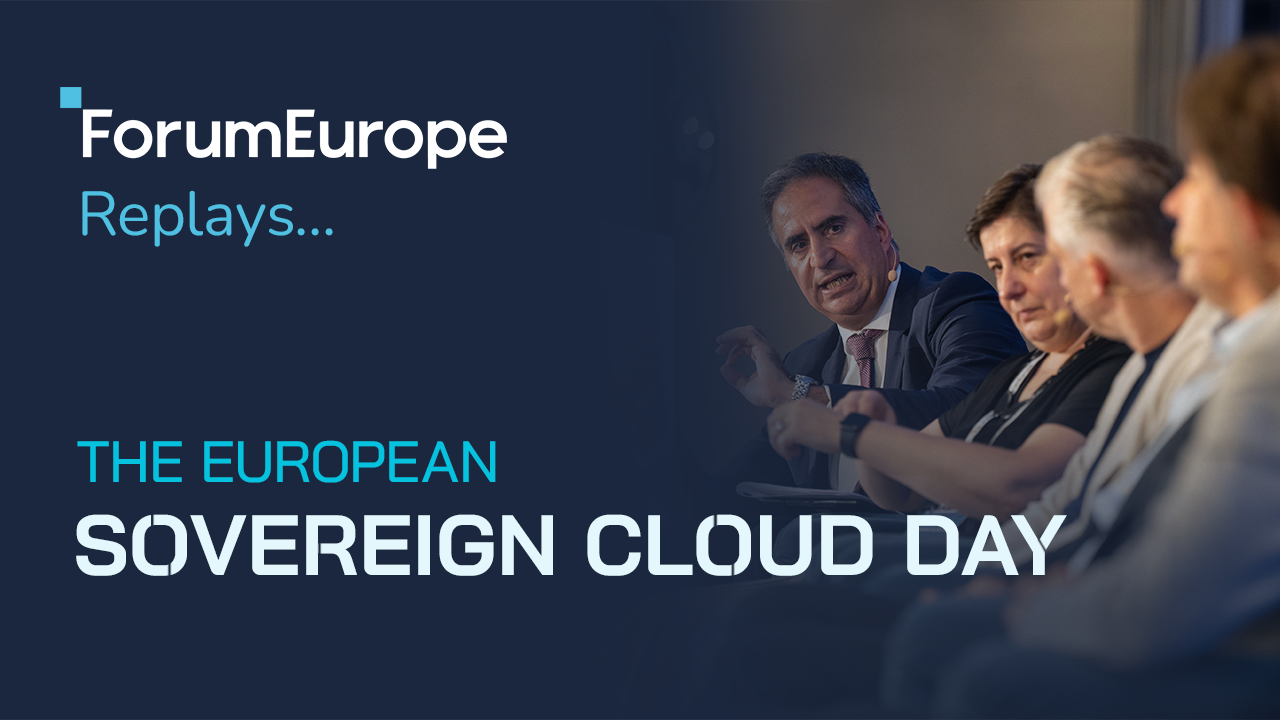
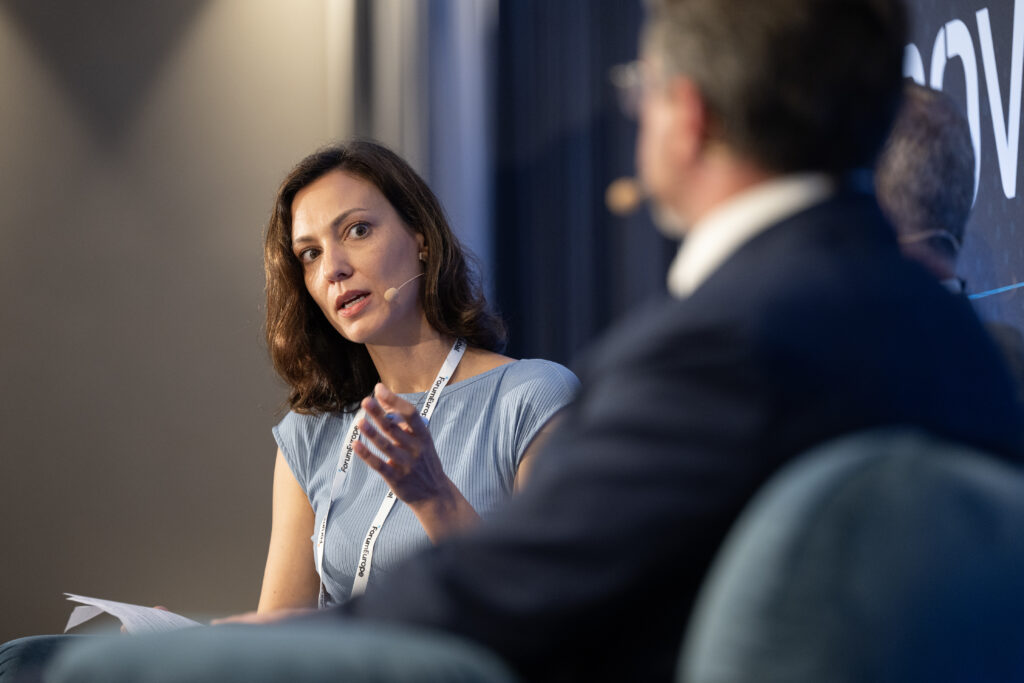
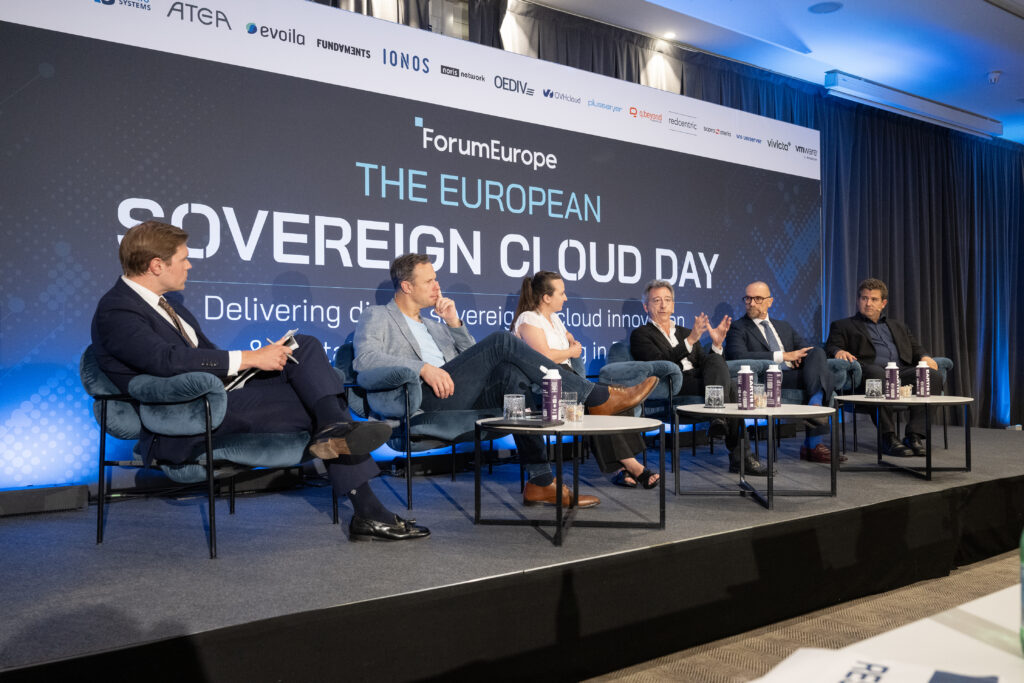
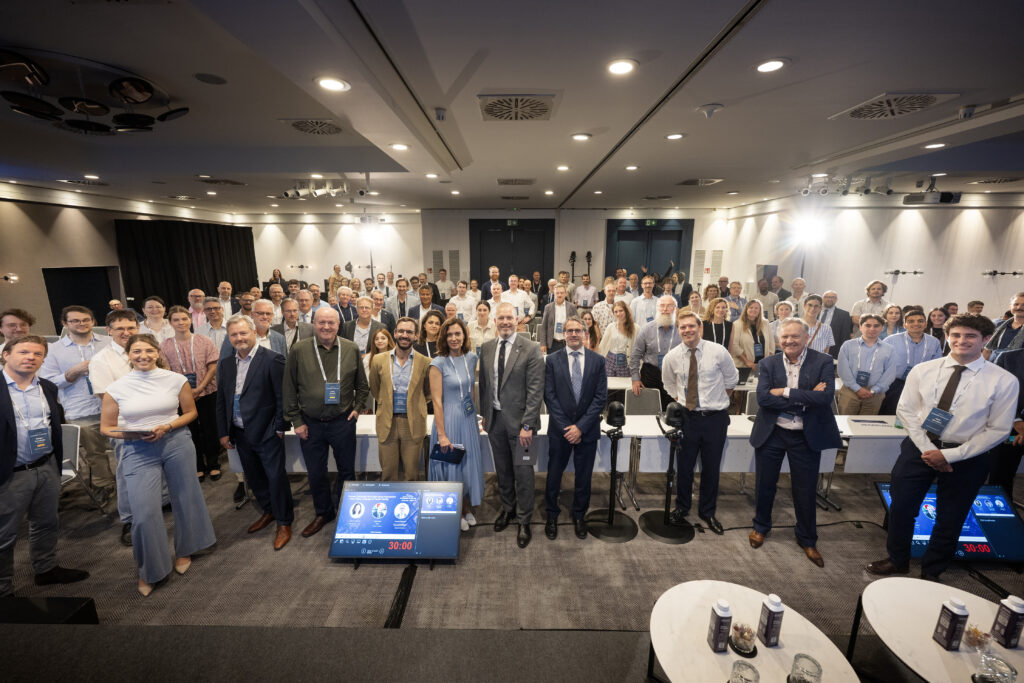
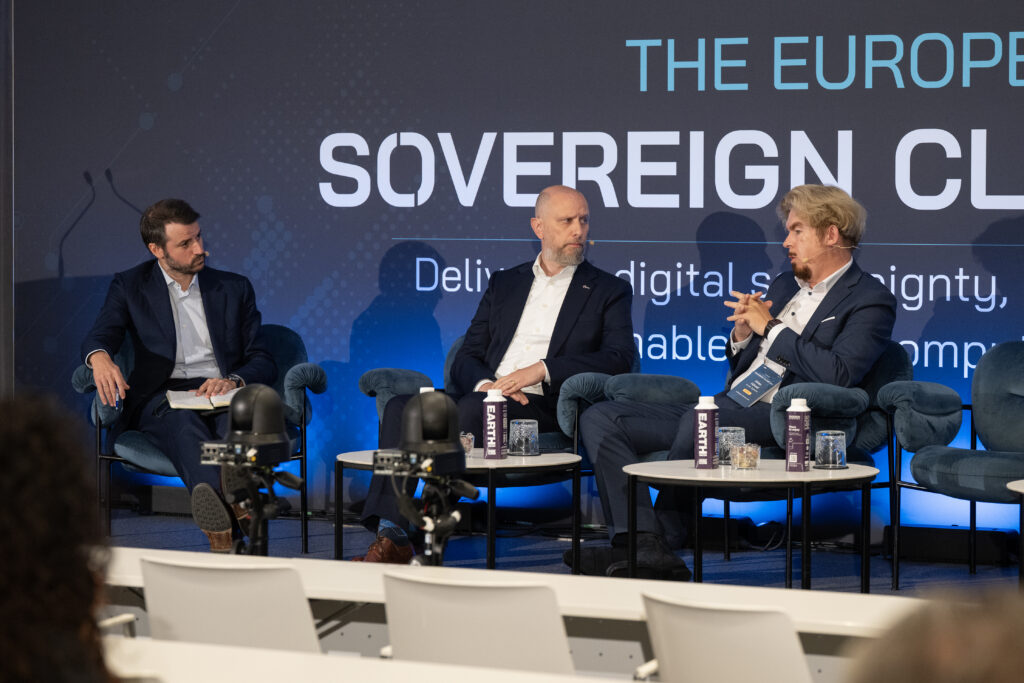
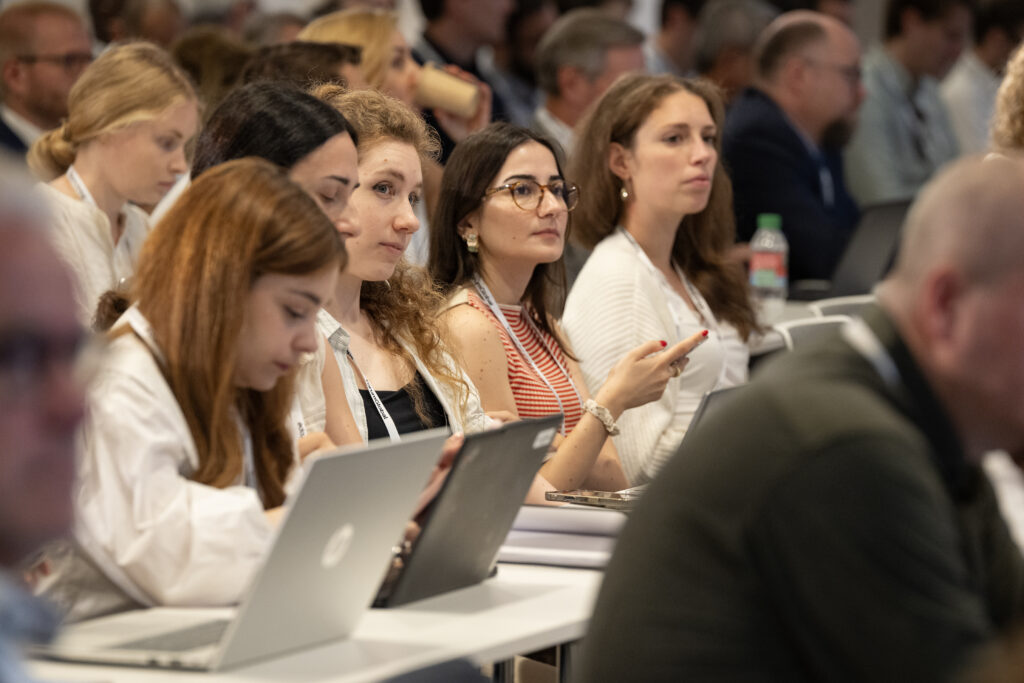
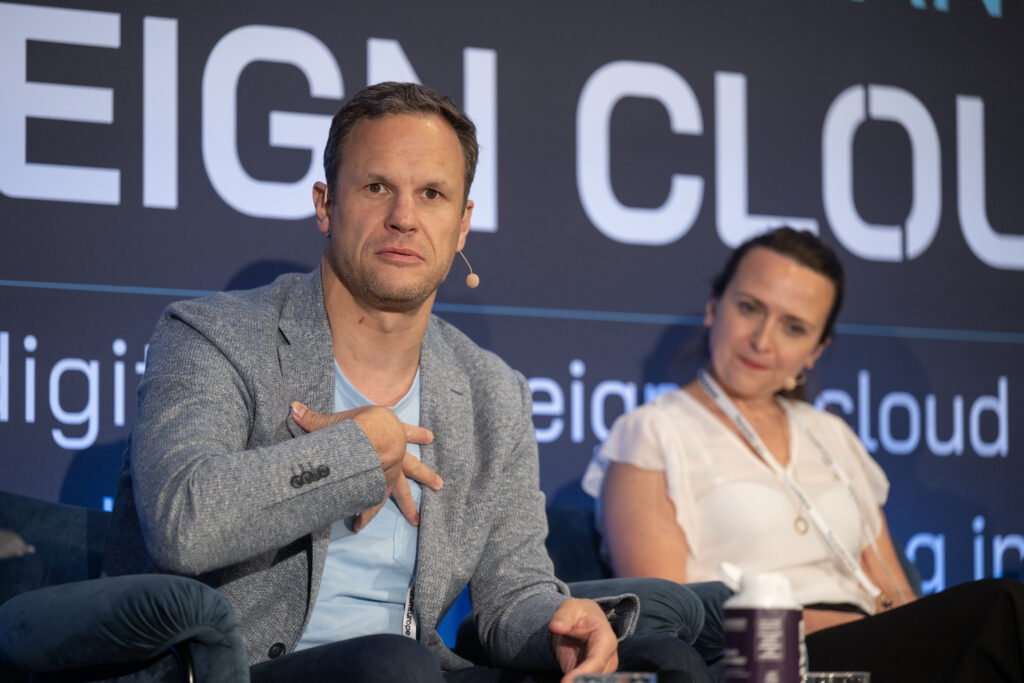
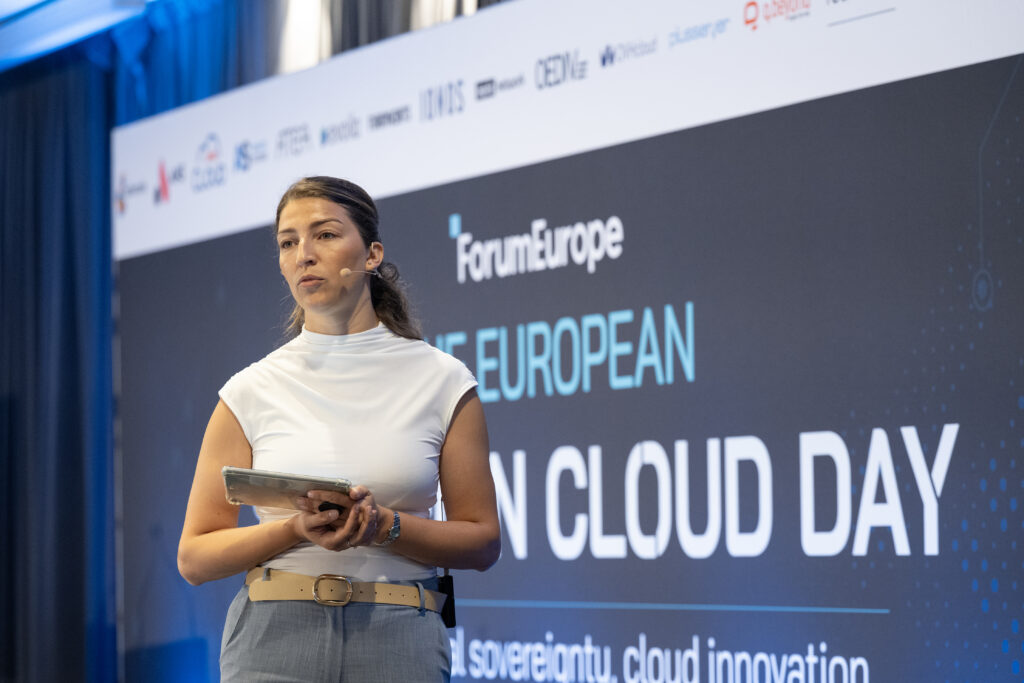
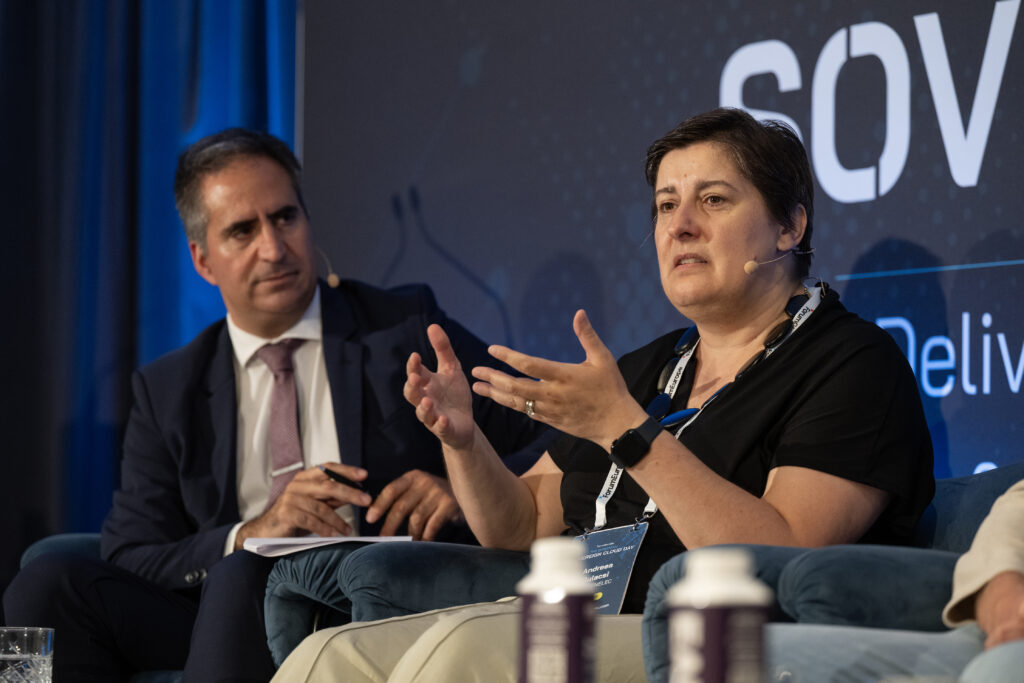
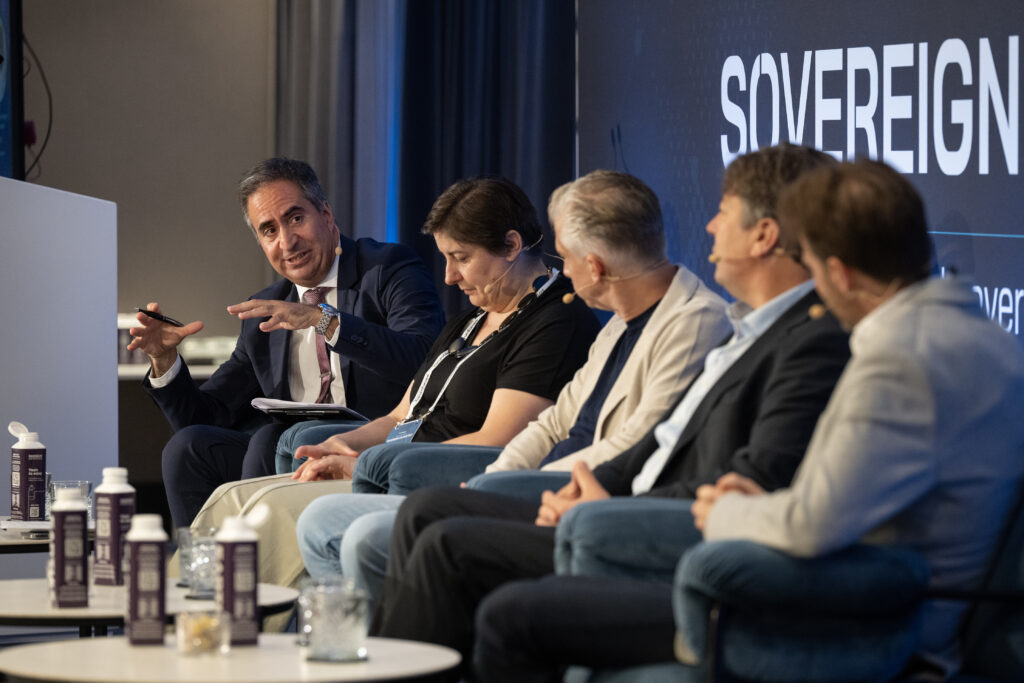
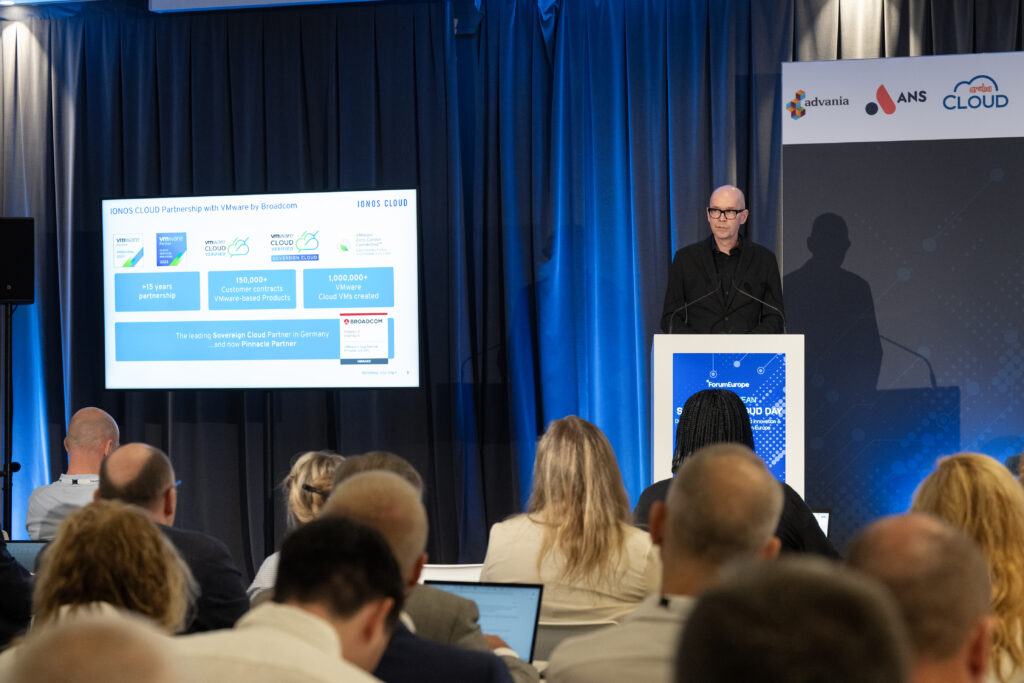
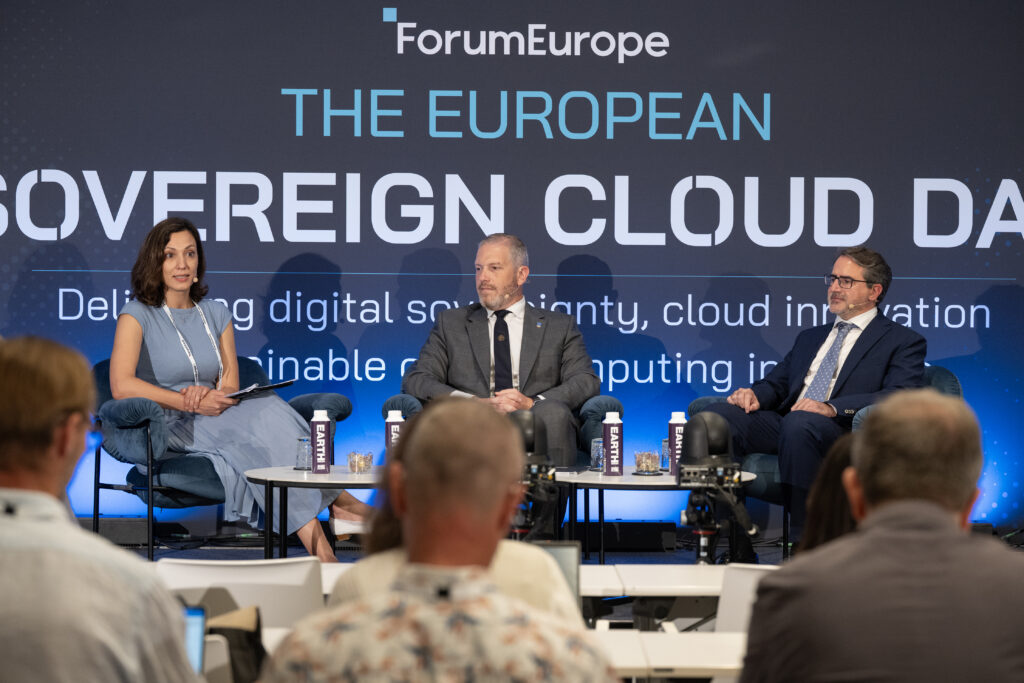
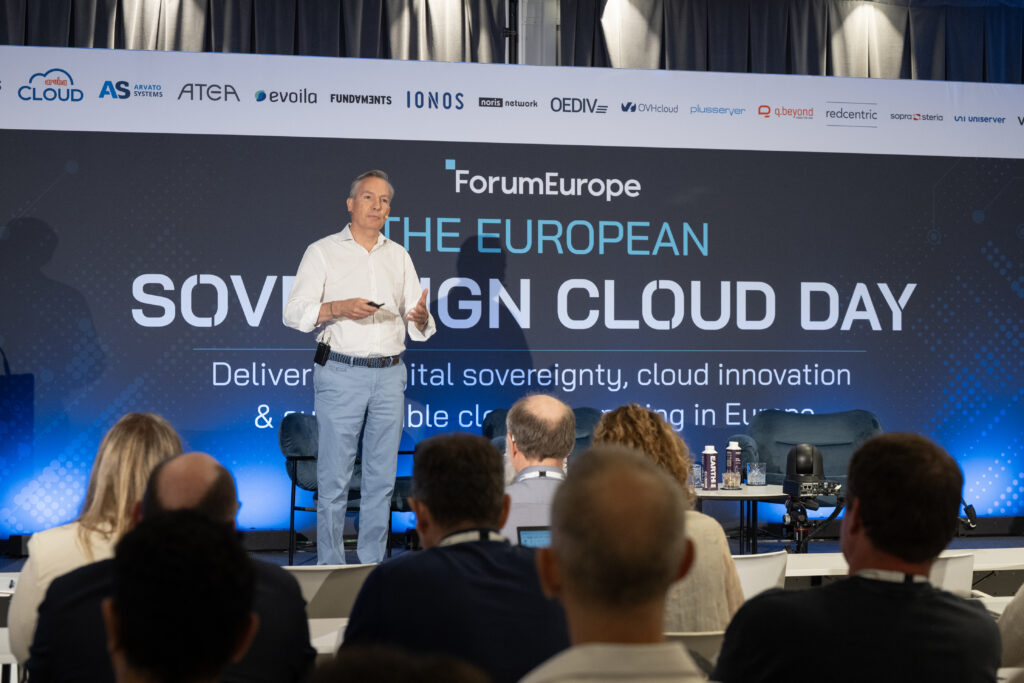
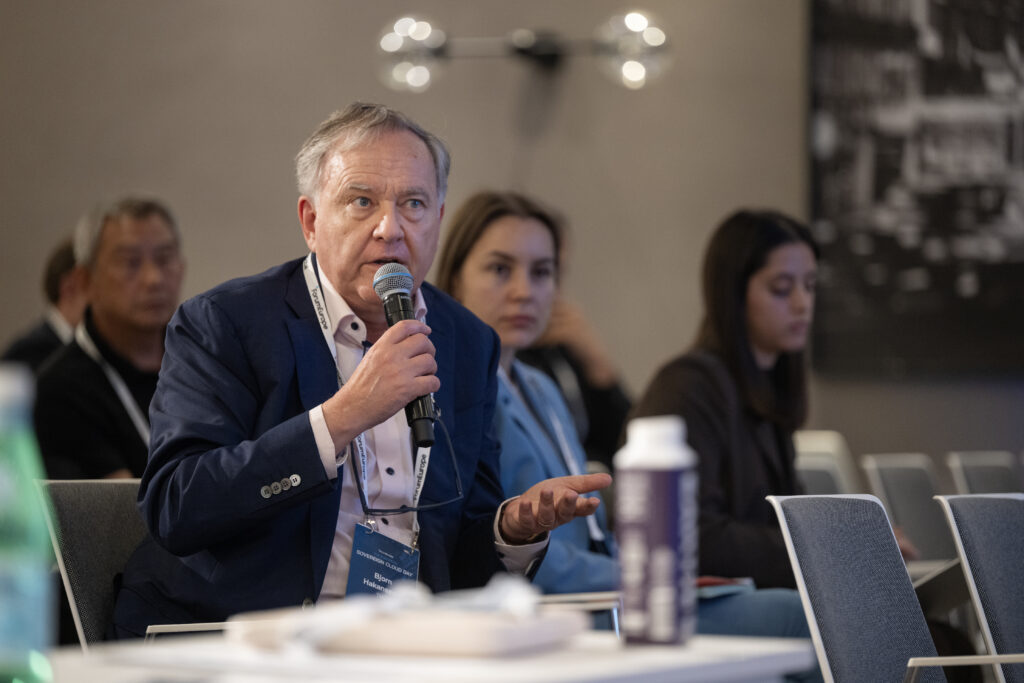
The European Sovereign Cloud Day 2025 took place on 3 June in Brussels, bringing together policymakers, industry leaders, and technology experts to explore the future of cloud sovereignty in Europe.
Through keynote speeches and panel discussions, speakers addressed critical issues including data sovereignty, security, and compliance with EU regulations.
Watch the discussions on demand below:
Forum Europe | Event Organiser Forum Europe events are where people and policy meet. We have been organising policy conferences in Brussels and around Europe since 1989. Our events provide unique insights from the people behind the policy and those seeking to influence it. Our expert team develop conference programmes with impact and provide first-class event logistics. Forum Europe is more than an event management and conference production specialist. With offices in Brussels and the UK, we operate across Europe and globally. Through our international arm, Forum Global, our events cover five continents, and engage policymakers and industry at national and regional levels around the world. Our mission is to drill down to the issues that matter, creating policy events that are ahead of the curve, facilitating frank and open debate on some of the most pressing issues facing Europe and the world today.
In partnership with
Advania is a leading IT services provider headquartered in Stockholm, serving organisations across Northern Europe, the United Kingdom and Ireland. With over 5,000 employees and 50+ locations, Advania delivers comprehensive technology solutions — including cloud, managed IT services, cybersecurity and digital transformation — to both public and private sector clients. The company combines global scale with local expertise, offering vendor‑neutral guidance and tailored support that helps organisations simplify IT and drive sustainable growth.
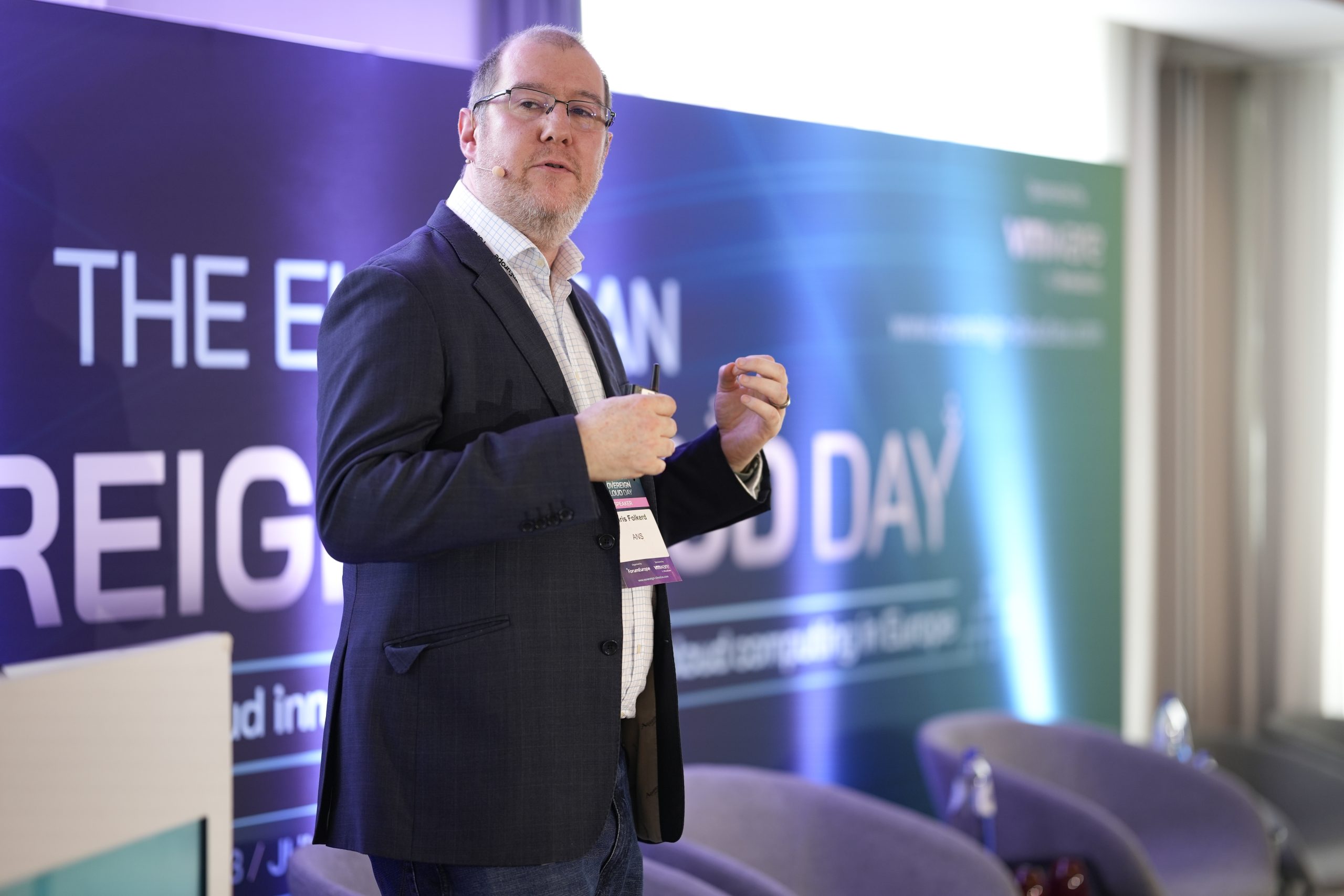
ANS is a cloud and digital transformation provider, helping organisations adopt, manage and optimise modern technology environments. With expertise across cloud, managed services, cybersecurity and modern workplace solutions, ANS supports clients in driving innovation, improving performance and maintaining secure, resilient IT operations.
Aruba Cloud is a European cloud service provider and part of the Aruba S.p.A. Group, delivering a broad portfolio of digital infrastructure services to businesses, public administrations, and developers. Its offerings include public and private cloud solutions, virtual data centres, cloud storage, backup, and disaster recovery services.
With a strong focus on data sovereignty, transparency, and compliance with European regulatory frameworks, Aruba Cloud operates a network of data centres located primarily in Europe. The company is committed to high standards of security, reliability, and energy efficiency, supporting organisations in their digital transformation while ensuring that data remains protected and governed in line with EU values and legislation.
Atea is a leading provider of IT infrastructure and services in the Nordics and Baltics. The company delivers a broad portfolio of technology solutions, including cloud services, digital workplace, cybersecurity, data centre infrastructure, and managed services, supporting public and private organisations in their digital transformation journeys.
evoila cloud is a European cloud service provider and part of the evoila GmbH group, delivering managed cloud solutions and digital infrastructure services to enterprises and public sector organisations. Its portfolio includes public and private cloud, multi-cloud management, cloud-native development, as well as data, AI, and SAP-focused services.
The company supports organisations throughout their cloud transformation journey, from strategy and migration to ongoing operations, with a strong emphasis on security, compliance, and operational resilience. With operations across Europe, evoila cloud aligns its services with European data protection standards and regulatory requirements, contributing to secure, sovereign, and sustainable digital ecosystems.
Fundamentts is a cloud and digital transformation specialist, supporting organisations in modernising their IT environments and operating securely in the cloud. With expertise across Microsoft technologies, managed services and cybersecurity, Fundamentts helps clients improve collaboration, scalability and overall digital performance.
IONOS is a European cloud and digital infrastructure provider, part of the United Internet AG group. The company delivers a comprehensive range of services, including public cloud, infrastructure-as-a-service (IaaS), platform solutions, web hosting, and domain services to businesses, public sector organisations, and individuals.
With a strong footprint in Europe and the United States, IONOS operates its own data centres and places a particular emphasis on data protection, cybersecurity, and compliance with European regulatory standards. The company is committed to enabling secure and sovereign digital transformation, offering transparent and reliable cloud solutions that align with EU values around privacy, competition, and digital independence.
noris network is a German IT service provider and operator of high-security data centres. The company delivers managed IT services, cloud solutions, and colocation services for enterprise and public sector customers.
Its portfolio includes private cloud, hybrid cloud, IT outsourcing, and network services, with a strong focus on high availability, security, and performance for business-critical environments.
noris network operates its own data centre infrastructure in Germany, enabling highly controlled and secure IT environments designed to meet demanding regulatory and operational requirements.
OEDIV Managed Solutions is a German IT service provider specialising in managed services, cloud solutions, and SAP hosting for enterprise and public sector customers.
The company’s portfolio includes private and hybrid cloud, SAP basis operations, application management, and IT outsourcing services, with a strong focus on security, reliability, and compliance for business-critical systems.
OEDIV operates its own high-performance data centre infrastructure in Germany, enabling secure and sovereign IT environments tailored to meet stringent regulatory requirements and support digital transformation initiatives.
OVHcloud is a global cloud provider that specialises in delivering industry-leading performance and cost-effective solutions to better manage, secure, and scale data. Founded in 1999 and headquartered in France, OVHcloud manages a trusted cloud infrastructure for customers in more than 140 countries.
As a European leader in the cloud sector, OVHcloud offers a broad portfolio of solutions, including public cloud, private cloud, shared hosting, and dedicated servers. The Group relies on an integrated model that combines the design and operation of its own servers, data centres, and fibre-optic network.
OVHcloud is committed to providing an open, reversible, and trusted cloud environment, supporting customers in maintaining control over their data while meeting applicable regulatory and data protection requirements.
plusserver is a German cloud service provider specialising in managed cloud, hosting, and digital platform solutions for enterprise and public sector customers.
Its portfolio includes public, private, and hybrid cloud services, as well as Kubernetes, data platforms, and application modernisation solutions, with a strong focus on scalability, security, and data sovereignty.
plusserver operates its infrastructure primarily in Germany, enabling compliant and secure cloud environments designed to support business-critical workloads and meet European regulatory requirements.
q.beyond is a German IT service provider specialising in cloud, SAP, and digital transformation services for mid-sized and enterprise customers.
Its portfolio includes managed cloud services, SAP consulting and operations, application management, and cybersecurity solutions, with a strong focus on enabling efficient, secure, and scalable IT environments.
q.beyond supports customers across both public and private cloud environments, helping organisations modernise legacy systems and operate business-critical applications with a focus on reliability, compliance, and performance.
Redcentric is a managed IT services provider specialising in network, connectivity and communications solutions. Supporting organisations with secure infrastructure and reliable connectivity, Redcentric enables businesses to deliver critical services, enhance collaboration and maintain high-performing, resilient IT environments.
Sopra Steria is a leading European technology company in consulting, digital services and software development. It supports organisations in their digital transformation and helps them achieve tangible and sustainable results.
The Group delivers end-to-end solutions designed to strengthen the performance and competitiveness of large organisations. It combines deep sector expertise with innovative technologies and a collaborative approach.
With around 50,000 employees across nearly 30 countries, Sopra Steria places people at the centre of its approach and works to harness digital technology to contribute to a positive future.
Uniserver is a cloud services provider specialising in sovereign and enterprise-grade cloud infrastructure. The company supports organisations in deploying, managing and optimising cloud environments with a strong focus on security, compliance and data sovereignty. Uniserver enables clients to run critical workloads reliably while maintaining control, performance and regulatory alignment.
Vivicta is a European initiative focused on developing next-generation digital and cloud infrastructure solutions. It brings together partners from across industry and the public sector to support the deployment of secure, interoperable, and energy-efficient computing resources in Europe.
The initiative aims to strengthen Europe’s technological sovereignty by fostering innovation in cloud, edge, and high-performance computing, while aligning with European regulatory frameworks and standards. Through collaboration and investment in advanced infrastructure, Vivicta contributes to building a resilient and sustainable digital ecosystem that supports emerging technologies such as artificial intelligence and data-driven services.
VMware, a global leader in cloud infrastructure and business mobility, helps customers realize possibilities by accelerating their digital transformation journeys. With VMware solutions, organizations are improving business agility by modernizing data centers and integrating public clouds, driving innovation with modern apps, creating exceptional experiences by empowering the digital workspace, and safeguarding customer trust by transforming security. VMware is headquartered in Palo Alto, CA and has over 500,000 customers and 75,000 partners worldwide.
The in-person event will be held at the Radisson Collection Grand Place Brussels (Rue du Fossé aux Loups 47, 1000 Brussels, Belgium) — attendance is by application.
The event will also be available online, free to register, with the joining link shared closer to the event.
A preferential accommodation rate has been arranged for delegates attending the European Sovereign Cloud Day at the NH Collection Brussels Centre, located within walking distance of the event venue.
Room type: Superior Room (single use)
Rate: €279.10 per night
Includes: Breakfast
Excludes: City tax (€5.60 per person, per night)
Delegates can book directly using the following link:
Payment to be made directly at the hotel upon arrival. For stays outside the standard booking dates, please contact: [email protected]
For more information on any aspect of this event, please contact Lorena Rodríguez using any of the following details:
Lorena Rodríguez
Senior Event Manager, Forum Europe
Tel: +44 (0) 7845 647 358